
Medical Malpractice Lawyers
The Effects of Medical Malpractice Can Be Devastating, Physically and Emotionally.
When a doctor, nurse, hospital, or other healthcare provider fails to meet the accepted standard of care, the consequences can be devastating. Medical negligence can leave patients and their families facing serious injuries, mounting medical bills, lost income, and lasting emotional trauma.
Rutter Mills in Virginia represents individuals and families harmed by medical malpractice. Call or text us anytime for a free case evaluation: (757) 777-7777.
Call 757-777-7777WHAT IS MEDICAL MALPRACTICE?
Generally speaking, medical malpractice is any instance when a healthcare provider does not meet what is considered the accepted standard of care and this negligence of care or mistake causes a patient to sustain an injury or illness. These claims can be made against doctors, hospitals, nursing home management companies, specialists, lab technicians, etc.
In Virginia, Section 8.01-581.1 defines medical malpractice as: “any tort action or breach of contract action for personal injuries or wrongful death, based on health care or professional services rendered, or which should have been rendered, by a health care provider, to a patient.”

The Burden of Proof in Medical Malpractice Claims
Elements of a Malpractice Claim
When filing a lawsuit in Virginia, the burden of proving negligence occurred falls on the plaintiff. There are four key elements that must be proven to win a medical malpractice claim. A lawyer must prove the following to be successful:
- There was an established doctor-patient relationship, establishing a duty of care by the physician.
- The duty of care was breached by mistake or negligence.
- The patient suffered significant harm or death.
- The harm a patient suffered was a direct result of the negligence.
Virginia follows a contributory negligence rules meaning the victim must not have contributed in any way to the harm they suffered. Lawyers for the insurance company the claim is filed against will often attempt use this to dismiss a case, claiming the injured party somehow was partially at fault.
Medical Malpractice Cases We Handle
Misdiagnosis or Failure to Diagnose
Diagnostic errors are among the most common reasons patients pursue medical malpractice claims. When a doctor fails to recognize a medical condition, delays making the correct diagnosis, or diagnoses the wrong illness, the consequences can be severe.
Common examples of diagnostic malpractice include:
- Failing to diagnose cancer until it has progressed to a more advanced stage.
- Misdiagnosing a heart attack or stroke, delaying life-saving treatment.
- Failing to recognize serious infections such as sepsis or meningitis.
- Missing fractures or internal injuries after an accident.
- Misinterpreting laboratory results, imaging studies, or pathology reports.
If a healthcare provider’s failure to diagnose or delayed diagnosis caused your condition to worsen, you may have grounds to pursue compensation through a medical malpractice claim.
Surgical Errors
Surgical procedures carry inherent risks, but preventable mistakes that occur before, during, or after surgery may constitute medical malpractice when they result from a healthcare provider’s failure to meet the accepted standard of care.
Common examples of surgical malpractice include:
- Leaving surgical instruments, sponges, or other foreign objects inside a patient’s body.
- Operating on the wrong body part or the wrong patient.
- Performing an unnecessary procedure or a procedure that was not medically indicated.
- Damaging nearby organs, nerves, or blood vessels because of avoidable surgical mistakes.
- Failing to monitor or respond to complications during or after surgery.
- Errors involving anesthesia administration or patient monitoring.
Surgical errors can lead to serious complications, additional operations, permanent injuries, and even wrongful death.
Improper Treatment
Improper treatment can take many forms. A provider may recommend the wrong course of treatment, prescribe an inappropriate medication or dosage, fail to recognize when a patient’s condition requires more aggressive care, or delay treatment until the condition becomes more serious.
Common examples of improper treatment include:
- Prescribing the wrong medication or an incorrect dosage.
- Recommending or performing an unnecessary medical procedure.
- Failing to provide timely treatment for a serious condition.
- Discharging a patient from the hospital too soon.
- Failing to monitor a patient’s condition or respond to complications.
- Neglecting to refer a patient to an appropriate specialist when necessary.
- Providing follow-up care that falls below the accepted standard of care.
A healthcare provider may correctly diagnose a patient’s condition but still commit medical malpractice by providing improper treatment.
Nursing Home Negligence
Families trust nursing homes and assisted living facilities to provide safe, attentive care for their loved ones. When a facility or its staff fails to meet the accepted standard of care, vulnerable residents can suffer serious injuries, declining health, and emotional trauma.
Common examples of nursing home negligence include:
- Failing to prevent or properly treat bedsores (pressure ulcers).
- Medication errors, including administering the wrong medication or dosage.
- Failure to prevent falls or provide appropriate supervision.
- Neglecting residents’ nutritional or hydration needs.
- Delaying or failing to obtain necessary medical treatment.
- Poor infection prevention and control practices.
- Failing to monitor residents for changes in their physical or mental condition.
- Abuse or neglect by staff members or other residents due to inadequate supervision.
Nursing home negligence may result from understaffing, inadequate training, poor supervision, or a failure to follow established care protocols.
Medication Errors
Medication errors can occur at any stage of a patient’s care—from prescribing and dispensing to administering and monitoring medications. When a healthcare provider’s negligence results in a preventable medication error, the injured patient may have grounds for a medical malpractice claim.
Common examples of medication errors include:
- Prescribing the wrong medication for a patient’s condition.
- Administering the wrong dosage or frequency.
- Dispensing the wrong medication at a pharmacy.
- Failing to identify dangerous drug interactions.
- Prescribing medication despite a known allergy or contraindication.
- Miscalculating medication dosages, particularly for children or older adults.
- Failing to properly monitor a patient’s response to medication or recognize harmful side effects.
- Administering medication to the wrong patient in a hospital or healthcare facility.
Medication errors can result in prolonged illness, organ damage, severe allergic reactions, additional medical treatment, hospitalization, permanent disability, or wrongful death.
Anesthesia Errors
Anesthesiologists, certified registered nurse anesthetists (CRNAs), and other healthcare providers are responsible for carefully evaluating patients, administering the appropriate medications, and monitoring vital signs throughout a procedure. When they fail to meet the accepted standard of care, patients may suffer serious injuries or death.
Common examples of anesthesia errors include:
- Administering too much or too little anesthesia.
- Failing to review a patient’s medical history, allergies, or current medications before administering anesthesia.
- Improperly intubating or managing a patient’s airway.
- Failing to adequately monitor oxygen levels, heart rate, blood pressure, or other vital signs during a procedure.
- Delaying the recognition or treatment of anesthesia-related complications.
- Administering the wrong anesthetic medication or dosage.
- Failing to obtain informed consent by adequately explaining anesthesia risks when required.
Anesthesia errors can lead to oxygen deprivation, brain injuries, strokes, heart attacks, nerve damage, anesthesia awareness, permanent disability, or wrongful death.

Ready to Find Out What Your Case Is Worth?
It all starts with a phone call or text message. Free consultation, no commitment, no fee unless we win.
Call 757-777-7777
No Upfront Fees—We Only Get Paid When You Do.
Rutter Mills Virginia attorneys represent medical malpractice cases on a contingency basis. There are no upfront fees, and we only get paid when you do.
What Counts as Medical Malpractice in Virginia?
Medical malpractice occurs when a healthcare provider fails to provide the level of care that a reasonably competent provider would have provided under similar circumstances, and that failure causes a patient to suffer harm.
To have a successful medical malpractice claim, you generally must be able to show that:
- A healthcare provider was responsible for your care. This may include a doctor, surgeon, nurse, hospital, pharmacist, anesthesiologist, or another licensed medical professional.
- The provider made a preventable mistake. They failed to provide care that met the accepted standard expected of similarly trained healthcare professionals.
- The mistake caused your injury. It is not enough to show that an error occurred—you must also show that the error directly caused or significantly contributed to your injury or illness.
- You suffered measurable losses. These may include additional medical expenses, lost income, pain and suffering, permanent disability, or the wrongful death of a loved one.
Virginia’s Strict Contributory Negligence Rule
Virginia follows one of the nation’s strictest contributory negligence rules. If the defense can prove that a patient contributed to their own injury, even to a small degree, the patient may be barred from recovering compensation.
Insurance companies and healthcare providers often attempt to shift responsibility to the patient by arguing they failed to follow medical advice, delayed seeking treatment, or otherwise contributed to the outcome. Our attorneys anticipate these defenses from the beginning of the case, gather evidence to counter them, and work to protect our clients’ right to recover compensation.
Medical malpractice cases require far more than proving a medical mistake occurred. They require a thorough understanding of Virginia’s laws, experienced legal advocacy, and the resources to work with qualified medical experts. Rutter Mills has the experience to navigate these complex legal requirements while fighting for the compensation our clients deserve.
Virginia Medical Malpractice Laws You Need to Know
Medical malpractice claims are among the most complex personal injury cases, and Virginia law includes several rules that can significantly affect your case. Missing a deadline or failing to satisfy a legal requirement can jeopardize your right to recover compensation. At Rutter Mills, we guide clients through every step of the process while ensuring these legal requirements are met.
Virginia Caps Medical Malpractice Damages
Virginia limits the total amount of compensation available in medical malpractice cases, regardless of the number of healthcare providers involved. As of July 1, 2026, the cap is $2.75 million, and it increases periodically under Virginia law.
While the damages cap cannot be avoided, our attorneys work to maximize the compensation available by thoroughly documenting every aspect of your losses and building the strongest possible case.
You Have a Limited Time to File a Claim
Virginia’s statute of limitations generally gives injured patients two years from the date of the malpractice to file a lawsuit. However, important exceptions may apply in cases involving children, foreign objects left inside the body, or situations in which the injury could not reasonably have been discovered immediately.
Waiting too long can permanently bar your claim. Contacting an attorney as soon as possible allows critical evidence to be preserved, medical records to be obtained, and filing deadlines to be met.
Medical Expert Support Is Essential
Virginia law requires medical malpractice claims to be supported by a qualified medical expert who is willing to certify that the healthcare provider failed to meet the applicable standard of care and that the negligence caused the patient’s injuries.
Obtaining expert support is one of the most important—and most challenging—parts of a malpractice case. Rutter Mills works with respected physicians and medical specialists who review records, evaluate the care provided, and help establish whether malpractice occurred.
PROTECTING YOUR RIGHTS
Why The Medical Malpractice Lawyer You Choose Matters
Even the best doctors can make mistakes. Injuries from medical errors can have catastrophic consequences. The insurance company representing the defendant will make it tough to prove and win your case. They have a lot at stake, just like you do. Additionally, these cases are among the most complex and expensive to litigate, often requiring expert testimony, review boards, hospital records, detailed depositions, and more.
In this area of law—perhaps more than any other—a good attorney is critical to winning your case. Not all injury law firms have the resources or experience to successfully litigate medical malpractice cases. Strict rules about evidence, procedure, and statute of limitations are all critical to these cases.
When everything is on the line, don’t trust your future to just anyone.

What to Expect When You Work With Rutter Mills
Pursuing a medical malpractice claim can feel overwhelming, especially when you’re already dealing with a serious injury or the loss of a loved one. At Rutter Mills, we guide you through every stage of the legal process so you know what to expect and can focus on your recovery while we handle your case.
Step 1: Your Free Case Evaluation
Your case begins with a free, no-obligation consultation. We’ll listen to your story, review the facts of your situation, answer your questions, and discuss whether you may have a medical malpractice claim under Virginia law.
Step 2: We Investigate Your Case
Our legal team gathers your medical records, consults with qualified medical experts, interviews witnesses when appropriate, and carefully reviews the care you received. We work to identify where the standard of care may have been breached and how that failure caused your injuries.
Step 3: We Build the Strongest Possible Claim
Once we’ve gathered the necessary evidence, we develop a strategy tailored to your case. We also prepare for the legal and medical arguments the defense is likely to raise. Our goal is to present a well-supported claim backed by evidence and expert testimony.
We’re With You Every Step of the Way
From your first phone call through the resolution of your case, you’ll have a legal team that’s committed to keeping you informed, answering your questions, and protecting your interests. Because we handle medical malpractice cases on a contingency fee basis, you pay no upfront attorney’s fees, and you owe us nothing unless we recover compensation for you.
Call or text Rutter Mills medical malpractice lawyers: (757) 777-7777.
Frequently Asked Questions
Not every medical error or unsuccessful treatment outcome is medical malpractice. To have a valid claim, you generally must show that a healthcare provider failed to meet the accepted standard of care and that this failure directly caused your injury. The best way to determine whether you have a case is to speak with an experienced medical malpractice attorney. During your free consultation, Rutter Mills can review the facts of your situation, answer your questions, and explain your legal options.
Yes. Depending on the circumstances, a medical malpractice claim may be brought against a hospital, surgical center, nursing home, pharmacy, or another healthcare facility, in addition to or instead of an individual healthcare provider. Liability depends on who was responsible for the negligent care and the facts of your case. Our attorneys thoroughly investigate every claim to identify all potentially liable parties.
Every case is different, but you may be able to recover compensation for medical expenses, future medical care, lost wages, diminished earning capacity, pain and suffering, emotional distress, permanent disability, and other damages related to your injury. If medical malpractice resulted in the loss of a loved one, certain surviving family members may also be entitled to pursue a wrongful death claim. Virginia law places a cap on the total damages recoverable in medical malpractice cases, but our attorneys work to maximize the compensation available under the law.
Rutter Mills handles medical malpractice cases on a contingency fee basis. That means you pay no upfront attorney’s fees, and you owe us nothing unless we recover compensation for you. Your initial consultation is free, giving you the opportunity to discuss your case and understand your legal options without financial risk.
The timeline depends on the complexity of your case, the severity of your injuries, the availability of medical records and expert opinions, and whether the case settles or proceeds to trial. Some claims resolve in a matter of months, while others may take a year or longer. Although every case is unique, our attorneys work efficiently while taking the time necessary to build the strongest possible claim on your behalf.

Virginia Reviews
See what our clients say about Rutter Mills.


Over 1,500 5-Star Reviews

I can't praise Rutter Mills law firm enough Catherine Foster is not only a great paralegal handling my lawsuit with my lawyer Dan Dallia I truly consider her like family.So many times I was depressed and in pain and she would talk me through it encouraging me to be strong.She is also going through a lot like myself and completely understands and is able to show compassion a fully healthy healthy person couldn't.The discovery she provided me amazed me,and was so thorough very professional.I consider her my friend for life!
I highly recommend the Rutter Mills team from start to finish. Every single person I interacted with from the very first phone call was amazing. Any questions I had were always answered quickly, professionally and seemed genuinely invested in my well being. They made all the difference with my case, I am truly grateful we chose them!
My "Dream Team" Attorney Erik Porcaro and Paralegal Jackie Shuster worked over and above my expectations. She kept an open dialogue throughout the entire process and kept me informed through every phase of my case. I will always come back to Rutter Mills. Thanks for a great experience.
Thank you to my Attorney – Eric Porcaro and paralegal Kamilah White for doing such a stellar job on my case! It was a real pleasure working with this team!
Joe Young and Kathy Saunders were the absolute best. They kept me informed and properly communicated all information with me in a timely manner. They also were able to get me the amount I requested without going back and forth with me. They were a true pleasure to work with and for this reason I will continue to do business with Rutter Mills.


You’ve Been Through Enough. Let Us Handle What Comes Next.
You don’t have to figure this out alone. Call or text 757-777-7777 for a free consultation. No commitment. No upfront cost. No fee unless we win.
Wherever You Are in Hampton Roads, There’s a Rutter Mills Office Near You.
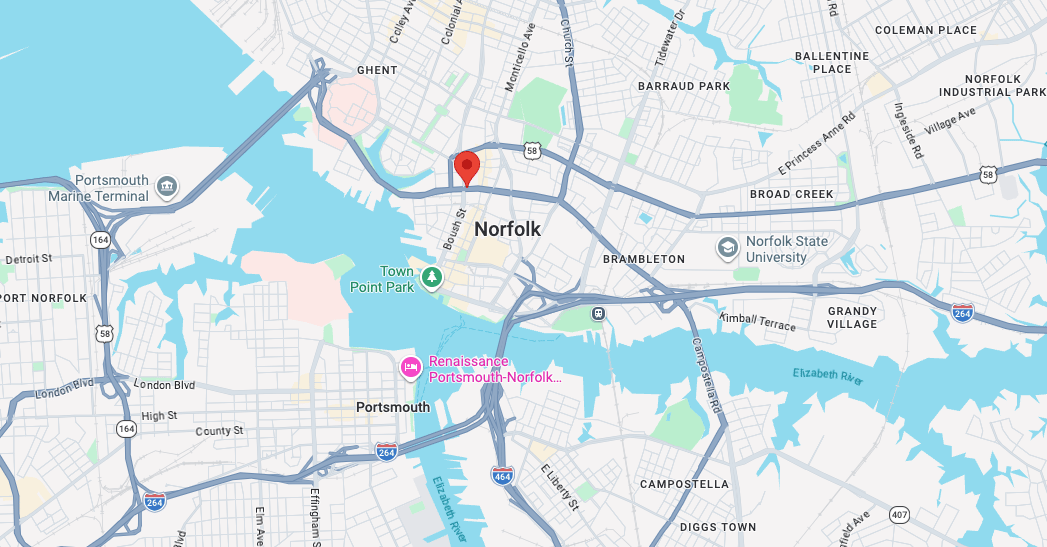
Find us at: 160 W Brambleton Ave. Norfolk, VA 23510
Call or text: 757-777-7777
Email: [email protected]
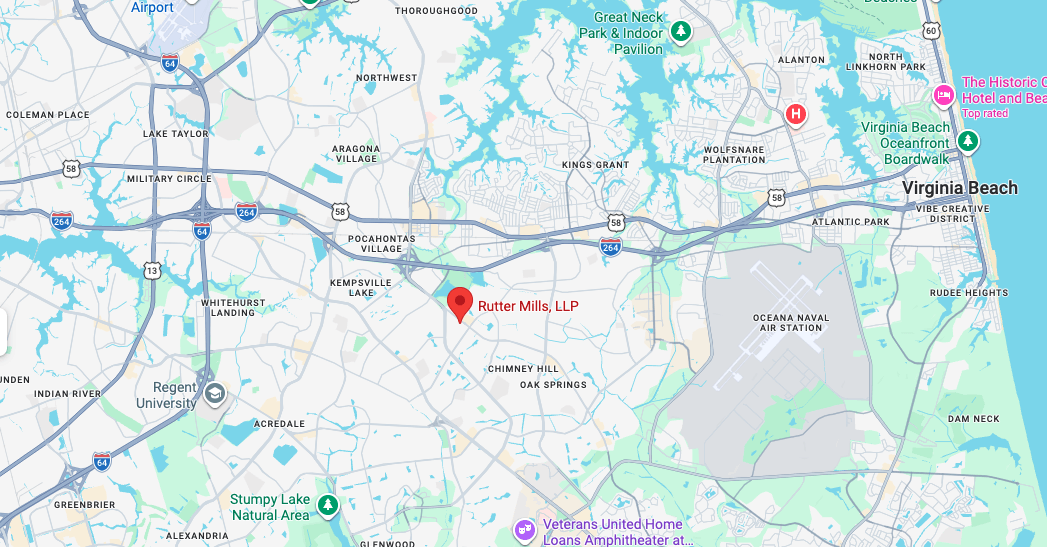
Find us at: 4287 Holland Rd. Virginia Beach, VA 23452
Call or text: 757-777-7777
Email: [email protected]
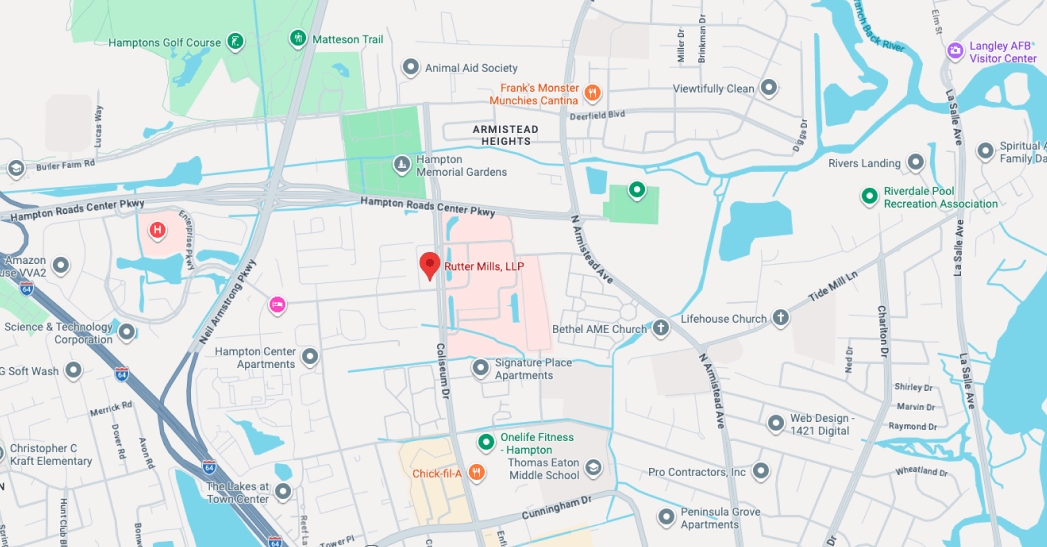
Find us at: 3001 Coliseum Dr, Hampton, VA 23666, United States
Call or text: 757-777-7777
Email: [email protected]
Coming in 2027
Find us at: 740 Eden Way, Chesapeake, VA 23320
Call or text: 757-777-7777
Email: [email protected]