I am beyond happy with my experience working with Rutter Mills. Rutter Mills was responsive throughout the entire journey and worked diligently on my behalf, making the process worry and stress free. I cannot recommend this company enough.
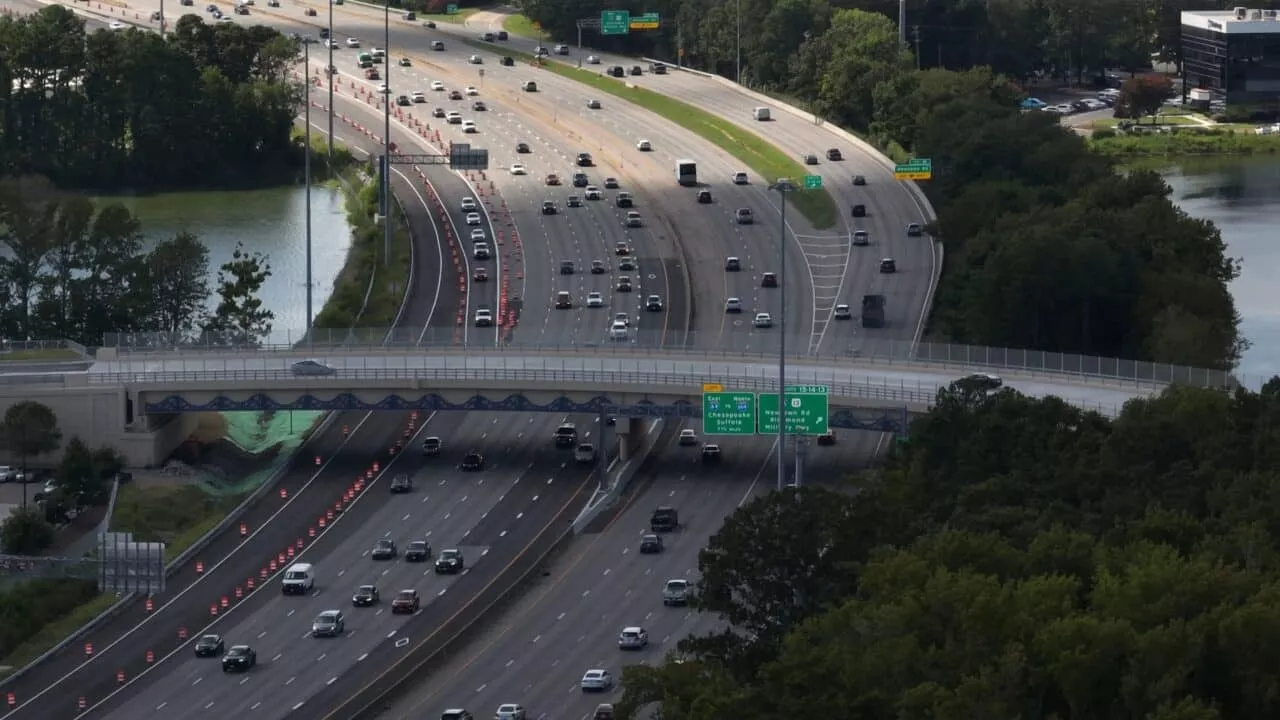
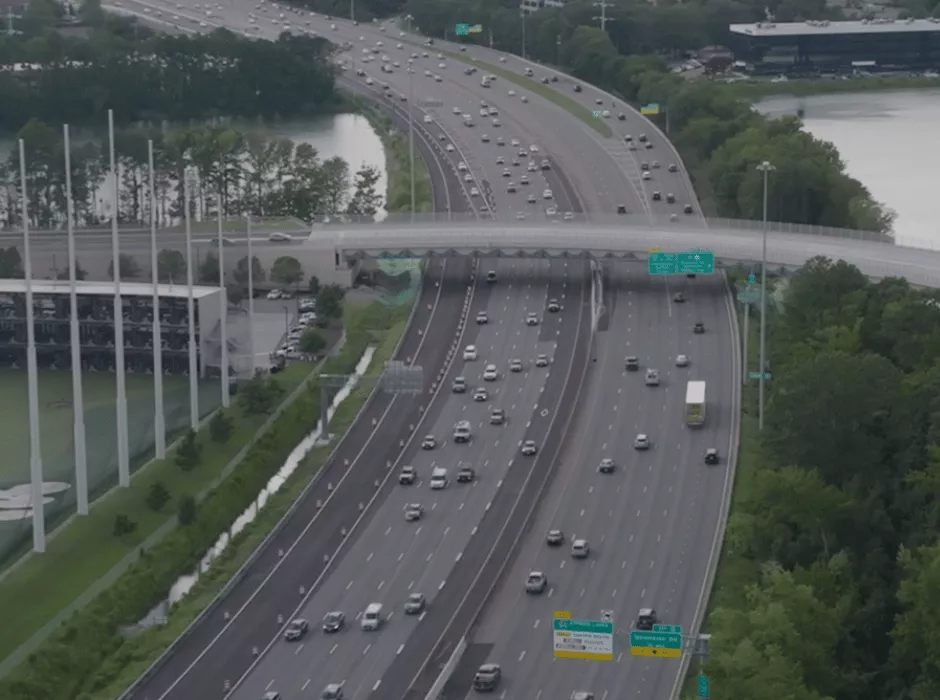
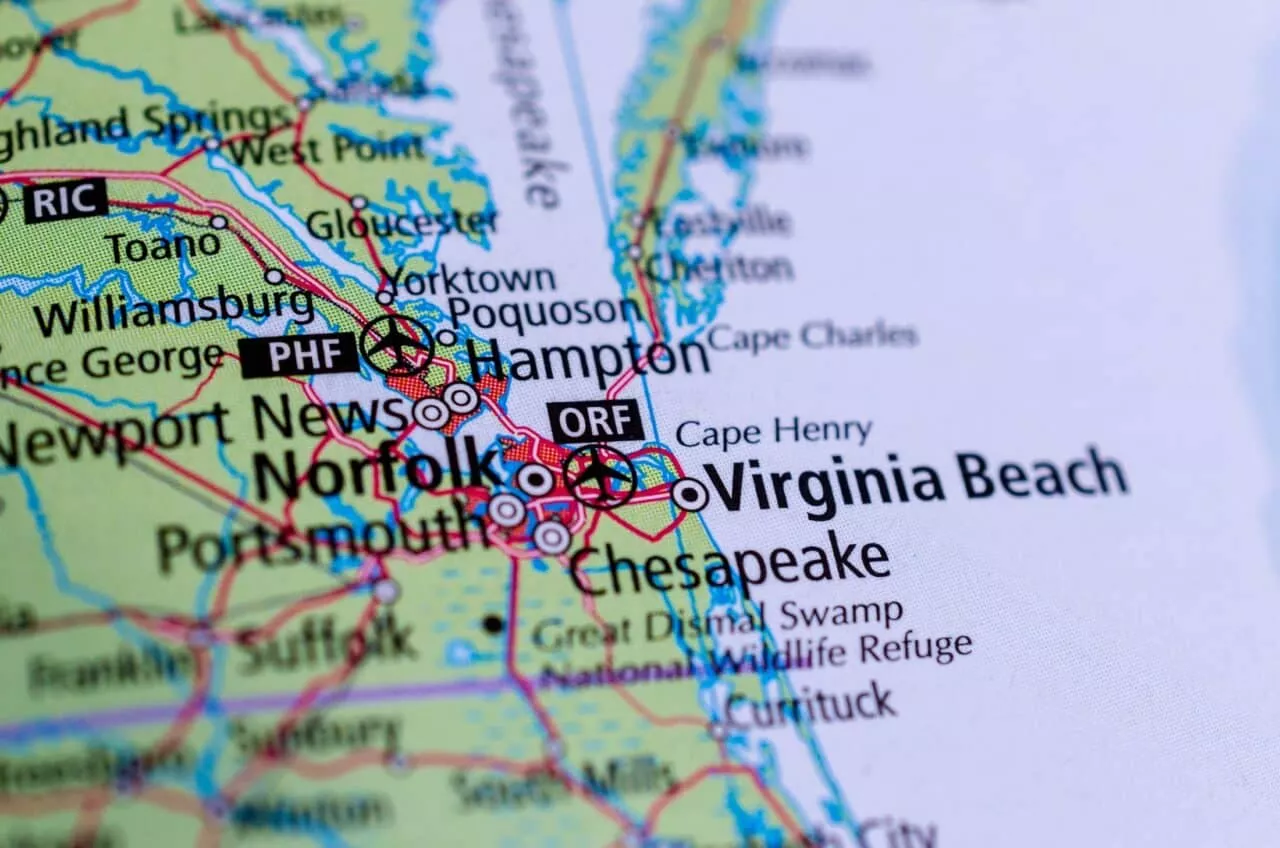
If you’ve lived in or even visited Hampton Roads, chances are high you’ve crossed a bridge-tunnel. These massive marvels of structural engineering span large expanses of water as bridges, then plunge beneath the waves as tunnels.
Residents of the seven cities rely on five of these distinctive underwater passageways when traveling our roadways:
- Hampton Roads Bridge-Tunnel (HRBT)
- Midtown Tunnel
- Downtown Tunnel
- Chesapeake Bay Bridge-Tunnel
- Monitor-Merrimac Memorial Bridge-Tunnel
When car accidents happen within the tunnels, drivers and responders face unique challenges. Limited ventilation, elevated fire risk, and constrained access make evacuation and rescue efforts difficult. This guide explains what to do if you’re involved in a bridge-tunnel car crash, common mistakes to avoid, and how Virginia law protects victims of bridge-tunnel accidents.
Why Are Bridge-Tunnel Accidents So Dangerous?
Hampton Roads consistently records some of the state’s highest crash rates, according to the Hampton Roads Transportation Planning Organization (HRTPO).
Some of the most dangerous bridge-tunnel interchanges in Hampton Roads include:
- I-64 eastbound at the Hampton Roads Bridge-Tunnel and I-664 northbound at the Monitor-Merrimac Memorial Bridge-Tunnel; ranked highest for potential safety improvement due to frequent and severe crashes.
- The Downtown Tunnel approaches on I-264 and the High Rise Bridge along I-64; elevated crash rates driven by tight curves, congestion, and constant merging traffic.
- The Chesapeake Bay Bridge-Tunnel; 13NewsNow reports that at least 15 tractor-trailers have gone over the CBBT since the 1980s.
High speeds, rush hour traffic, impatient drivers, and ongoing construction (including the multibillion-dollar HRBT Expansion Project) all increase the risks of tunnel crashes.
Preventing Accidents In Hampton Roads Bridge-Tunnels
If all accidents were avoidable, we wouldn’t call them accidents. Since we aren’t able to prevent every crash, it’s our responsibility to drive safely on the roadways.
Tips for staying safe when traveling bridge-tunnels:
- Maintain a safe following distance. If you can see the bottom of the tires of the car in front of you, you should have adequate time to stop.
- Be prepared for stops. Out-of-town drivers, unfamiliar with the area, often brake unnecessarily at tunnel entrances.
- Obey tunnel speed limits. For example, the Hampton Roads Bridge-Tunnel is 55 mph, while the Midtown Tunnel is 35 mph.
- Stay in your lane. Lane changes are prohibited in and around most two-lane tunnels.
- Avoid distraction. Keep your phone locked and focus on the road.
- Plan ahead. Check live traffic conditions on VDOT’s 511 system.
Immediate Steps To Take After A Tunnel Accident
Crashes in Hampton Roads tunnels are especially dangerous because there’s no shoulder, or any other place for traffic to divert. For this reason, VDOT keeps tunnel operations centers staffed around the clock and positions tow crews nearby to respond in minutes.
- Stay in your vehicle
- Check for injuries
- Call for help
- Await further instructions
- Seek medical attention (even if you feel fine)
1. Stay In Your Vehicle
Exiting your car inside a tunnel is extremely risky. Fast-moving traffic and narrow lanes leave no safe refuge.
- Wait for first responders or tunnel staff instructions
- Turn on your hazard lights to alert other drivers to your presence
- Keep your seatbelt fastened in case of secondary impacts
2. Check For Injuries
If you or one of your passengers is seriously injured call 911 immediately. If you’ve been in a Hampton Roads bridge-tunnel accident:
- Seek medical attention immediately, even if you feel alright at the scene
- Document the site, taking photos of vehicles and damage
- Request a copy of the police report for insurance and legal purposes
- Contact an attorney first to protect your rights
3. Call For Help
If you don’t have access to a cell phone, carefully and safely exit the vehicle and use a tunnel call box. Tunnel control rooms are equipped with cameras and sensors, and staffed with operators who can:
- Shut lanes
- Adjust ventilation
- Dispatch responders faster than dialing 911
4. Await Further Instructions
Unlike surface roads where vehicles are often moved to the shoulder, you shouldn’t attempt to drive further in tunnels unless you’re told it is safe. Tunnel personnel may need your vehicle to remain in place until traffic is controlled.
Obey all signals, loudspeaker instructions, or directions from first responders. Wait for officials to give you the green light, as they may be engaged in any number of safety measures, such as:
- Monitoring the flow of traffic behind your vehicle
- Closing lanes
- Activating ventilation systems
- Dispatching emergency responders
In minor crashes, tunnel staff may direct you to drive slowly to a designated pull-off or exit. Never try to maneuver on your own without instruction—this can make the situation worse.
5. Seek Medical Attention
Even if you feel fine in the moment, make a point to get evaluated by a medical professional. Shock can delay the pains associated with whiplash, pinched nerves, and concussions—and these injuries could require costly treatments. Waiving your right to medical attention now could result in substantial out-of-pocket payments later.
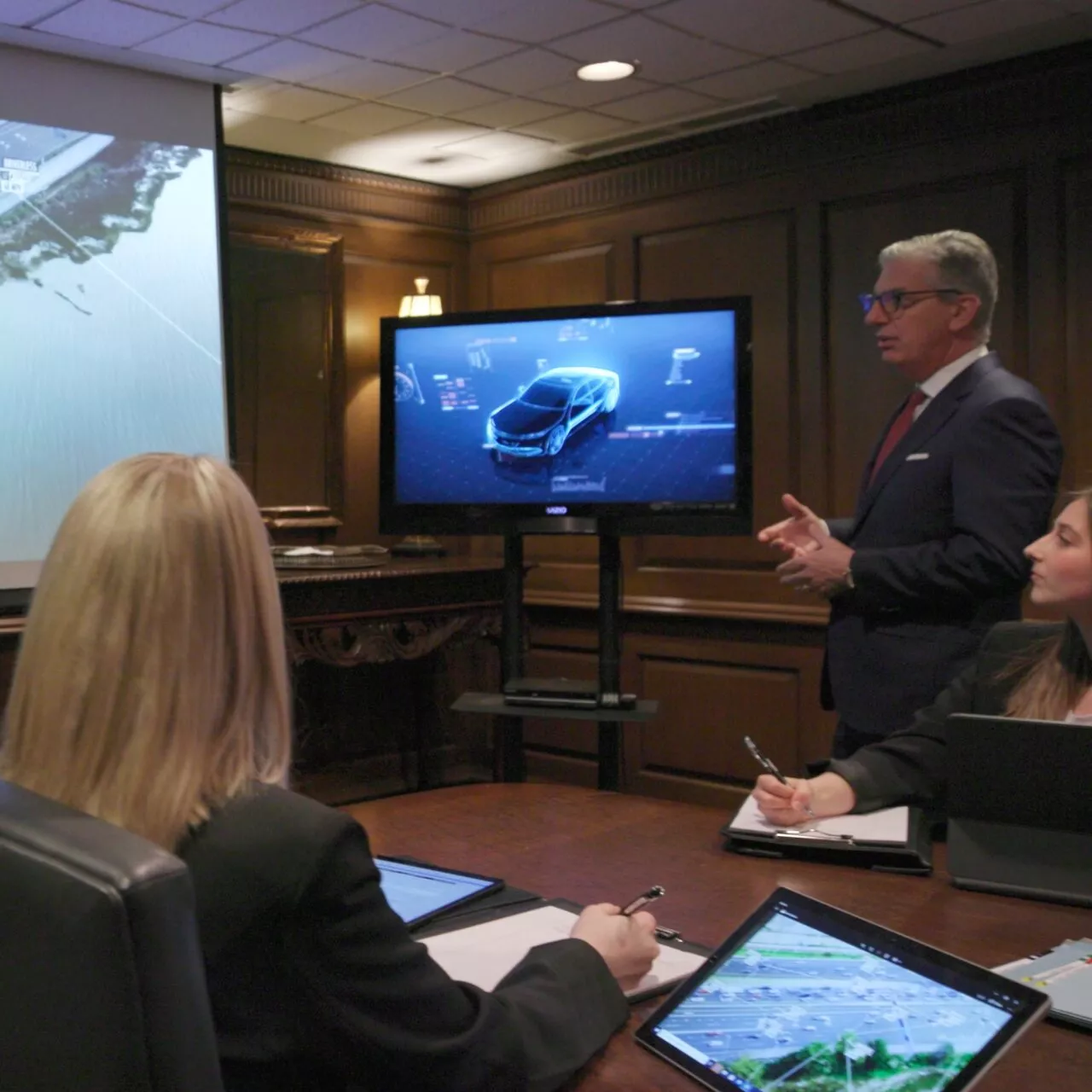
If you or your passenger has been injured in a bridge-tunnel accident, you don’t have to navigate the legal process alone. Rutter Mills attorneys can help collect critical evidence, reconstruct the accident, and identify the parties liable for your injuries.
What Not To Do In A Tunnel Accident
Just as important as what to do is what not to do. These common mistakes can make a dangerous situation worse:
- Do not walk in the tunnel unless ordered by emergency personnel.
- Do not ignore instructions from tunnel operators or first responders.
- Do not attempt to turn around or back up, which may increase crash risk.
- Do not rely solely on GPS, which may not reflect real-time closures or detours.
In short: do not unbuckle your seatbelt or leave the vehicle, unless directed otherwise by first responders or tunnel operators.
Legal Considerations After A Bridge-Tunnel Crash
Tunnel crashes often involve multiple vehicles, significant property damage, and serious injuries. Virginia’s laws on distracted driving, speeding, and failure to maintain control all apply in tunnel crashes. Still, the unique environment of the tunnel tends to complicate investigative efforts.
Liability may be more difficult to ascertain without evidence gleaned from witness statements, photos of observable road conditions, or other drivers who were involved and failed to stop.
Talk To A Hampton Roads Bridge-Tunnel Accident Attorney Today
If you’ve been injured in a bridge-tunnel accident, you don’t have to navigate the legal process alone. An attorney who specializes in car accidents can help collect critical evidence, reconstruct the scene, and identify the parties liable for your injuries.
At Rutter Mills, we understand the unique challenges of bridge-tunnel crash cases, and we know how to fight for the compensation you deserve. From investigating fault to dealing with insurance companies, our team is here to protect your rights every step of the way.
Contact us online or call today for a free consultation:
+1 (757) 777-7777.
Your case is worth it.
Written by:

Erik Porcaro
Car Accident LawyerErik Porcaro is a former Assistant District Attorney turned dedicated personal injury attorney at Rutter Mills in Norfolk, where he leverages his courtroom experience to fiercely advocate for injury victimss. A Fordham Law graduate with over 20 years experience, Erik specializes in complex personal injury cases, offering a client-centered approach that puts victims' recovery and justice at the forefront.
Make the Right Call After a Car Accident in Virginia Beach
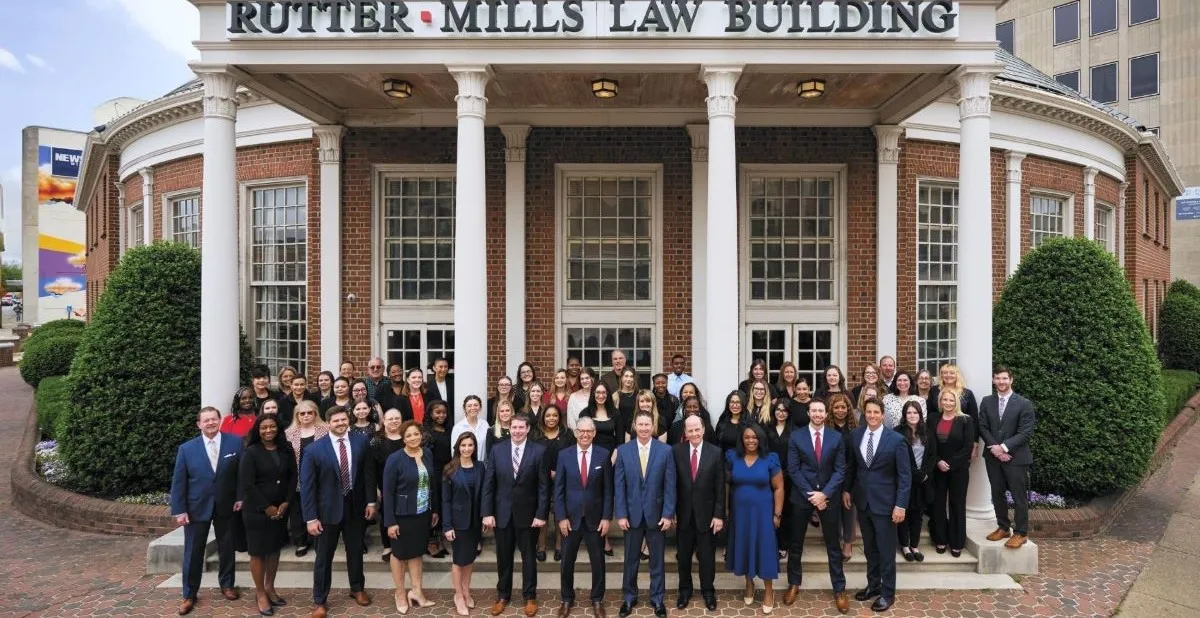
When you are ready to discuss your car accident claim, our attorneys will be here for you. Rutter Mills is the personal injury law firm that goes beyond the ordinary. We have the expertise, resources, and renowned reputation to take on the big insurance companies and fight for the justice you deserve. Contact us today for a free, no-obligation consultation.
Legacy
0
+
Years Helping Injury Victims
Locations
0
Convenient Locations in Hampton Roads
Strength
0
+
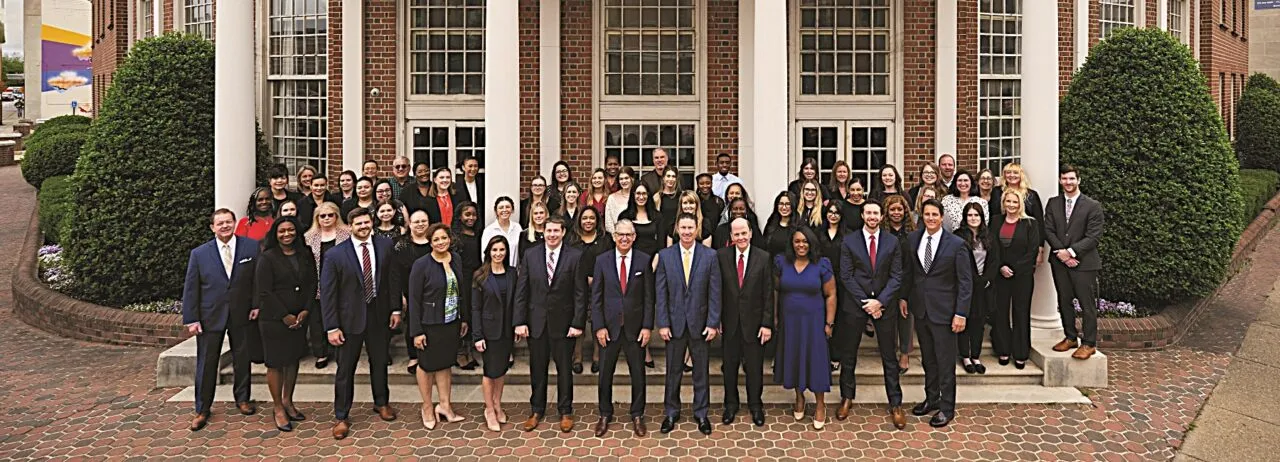
Team Members Ready to Help

What Matters Most
Enjoy this 60 second look at "What Matters Most" to us.
ACTUAL GOOGLE REVIEWS
See what our clients say about their experience at Rutter Mills.




Workers Compensation
If you’ve been injured on the job, workers’ compensation insurance may entitle you to critical assistance like medical treatment, lost wages, and more. But insurance companies will put up an aggressive fight to resist paying you the compensation you need and deserve. Rutter Mills can help get you the money you deserve.