












Common Causes of Motorcycle Accidents
Posted on May 7, 2024

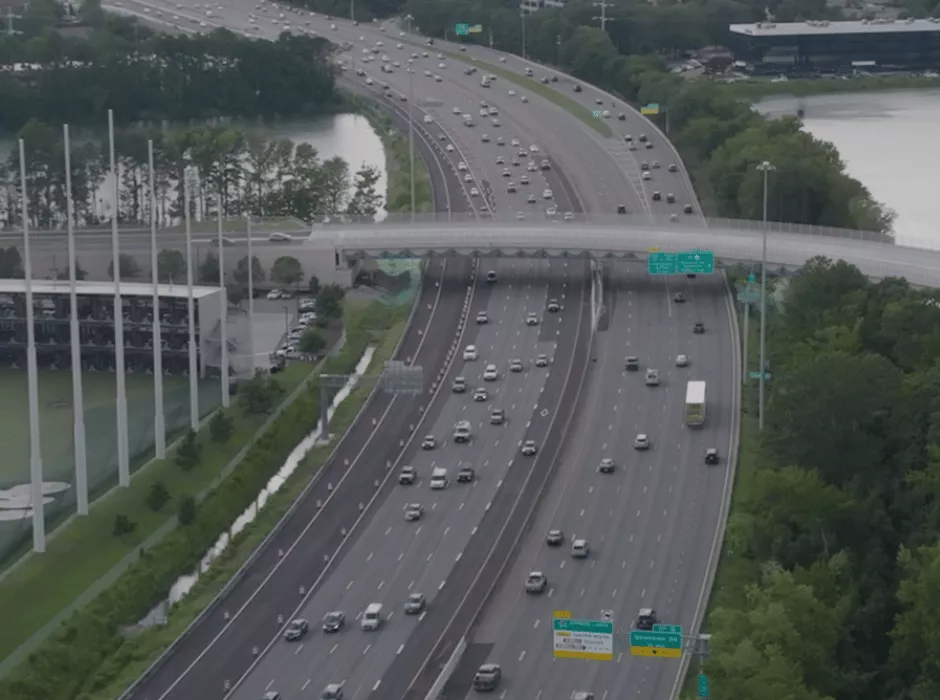
Virginia Beach’s coastline, military traffic, and busy tourist corridors make it one of the most popular places in the Commonwealth to ride. But that level of traffic also makes it risky for motorcycle riders. If you’ve been injured on Virginia Beach Boulevard, Independence Boulevard, or any other road in the city, Rutter Mills is ready to build the strongest possible case on your behalf.
The insurance company is confident because they’ve followed this playbook before: shift the blame, delay the claim, offer less than you deserve. But we’re familiar with their tactics, and we know how to counter them.
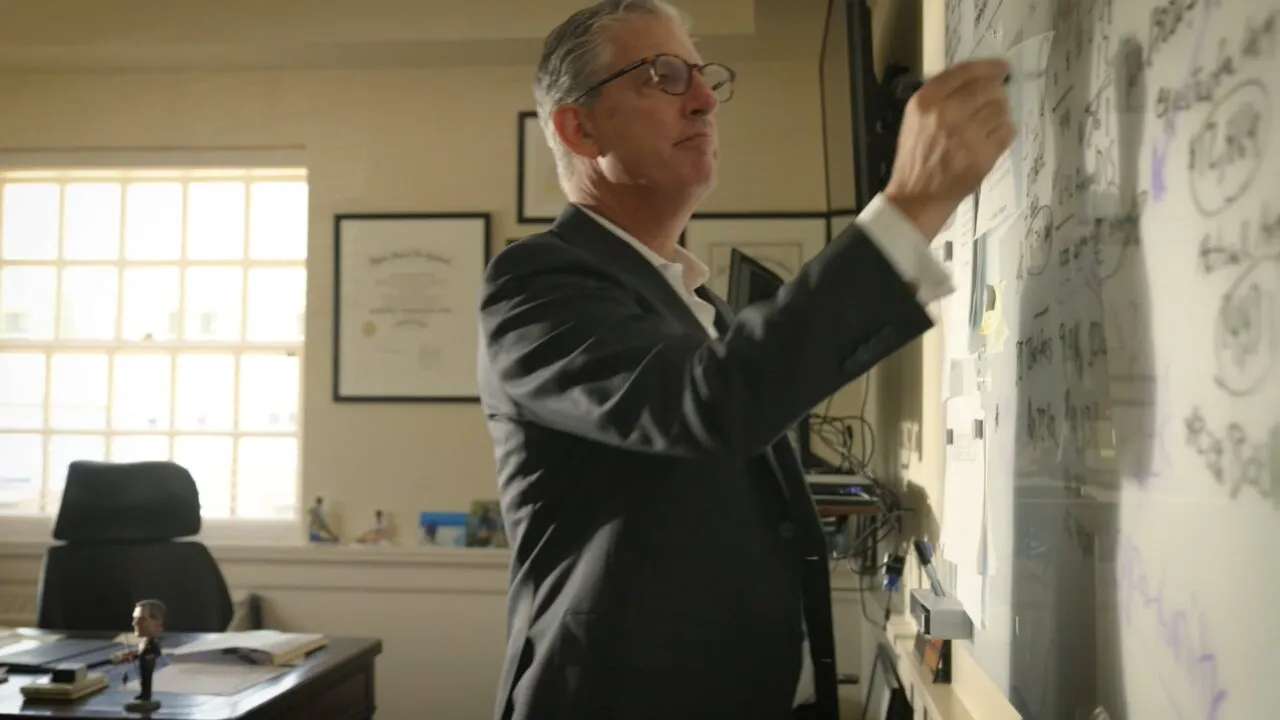
Nine of our 20+ attorneys have insurance industry experience, and are ready to put it to work for you.
Some of our trial lawyers don’t just represent riders. They are riders. That means they’ve evaluated motorcycle claims from both sides.
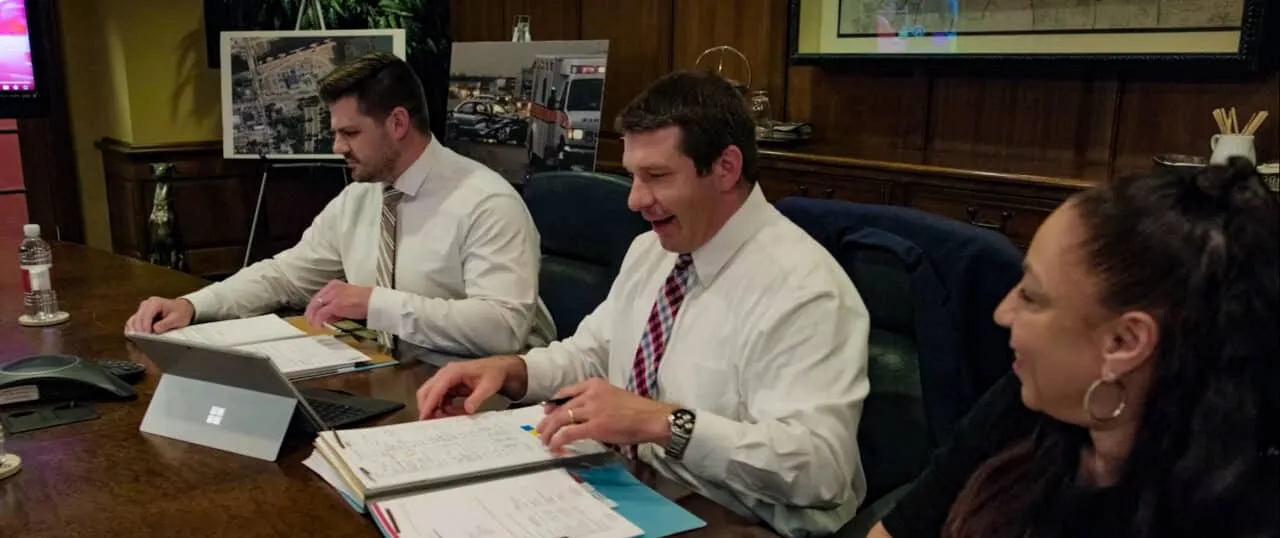
That firsthand knowledge has won cases the insurance company thought were unwinnable. In one trial, attorney Andrew Boran read the skid mark evidence at the scene the way a rider would. The marks showed both the front and back brakes had been applied, not the improper front-braking the insurer blamed for the crash. The jury sided with Rutter Mills.
“The insurance company’s expert looked at those skid marks and saw exactly what they wanted to see. I looked at them and saw a rider who did everything right. That’s the difference between reading a report and knowing what it’s like to grab both brakes at 40 miles an hour.”
— Andrew Boran, Personal Injury Attorney
Virginia is home to more than 400,000 licensed motorcyclists. In 2025, there were 2,006 motorcycle crashes throughout the state, and in 36% of them, investigators found no improper action by the motorcyclist at all.
2,006
Motorcycle crashes
101
Motorcycle fatalities
1,677
Motorcycle drivers injured
84
Motorcycle passengers injured
Car drivers often underestimate a motorcycle’s speed and fail to yield the right of way.
Tailgating is a major problem, and motorcycles offer less rear-end protection than cars.
Parked drivers opening doors without checking their mirrors can cause serious accidents.
Drivers not seeing motorcycles in their blind spots frequently cause crashes.
A staggering 96% of drivers in Virginia admit to speeding, with 43% saying they do it “frequently” or “most of the time.” This increases the risk to motorcyclists on our roadways.
The oceanfront social scene can lead to impaired drivers, whose reflexes are hampered by alcohol.
You can do everything right as a motorcyclist and still end up injured because of someone else’s mistake. When that happens, you may be facing serious injuries, mounting medical bills, time away from work, and an insurance company looking for reasons to minimize what it pays. Our experienced attorneys help injured riders protect their rights and build the strongest case possible from the start.
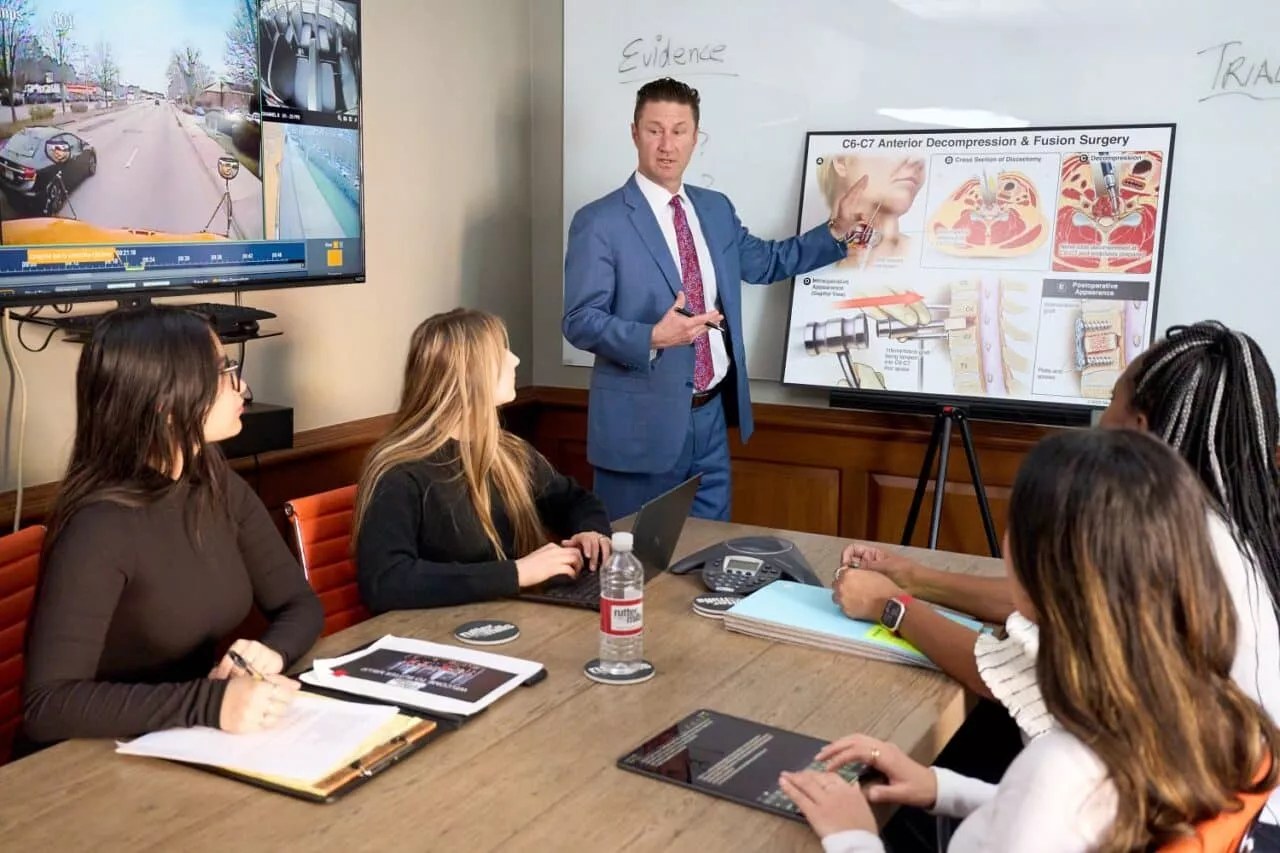
Police reports, scene photos, surveillance and traffic camera footage, witness statements, the motorcycle itself, and the damaged gear: all of it gets documented and assessed by our experts.
Remember these tips: don’t post about the crash anywhere, don’t give a recorded statement to the other driver’s insurer or your own before you talk to us, and get details as soon as possible from anyone who saw it happen. Evidence that seems obvious in the hours or days after the crash could be compromised (or lost entirely) down the road.
Insurance companies routinely shift blame onto motorcyclists or minimize injuries, all to make a case against paying up. We push back and refuse to accept less than your claim is worth.
Medical expenses, lost wages, diminished earning capacity, pain and suffering, and future care are all meticulously documented before we start negotiations. Every case is prepped as if it’s going in front of a jury, so that if that happens, we’re ready.
Virginia requires a motorcycle-endorsed license, an approved helmet, and full-lane riding at all times. Riders who follow these rules give insurers one less argument to make. Breaking one doesn’t automatically end a claim, either. Under Virginia’s contributory negligence rule, the question is whether your actions actually caused the crash, and the other side has to prove it.
To ride legally in Virginia, you need a Class M, M2, or M3 designation on your license. M2 covers two-wheeled motorcycles, M3 covers three-wheeled motorcycles, and M covers both. Riding without the right designation is a licensing violation, not proof that you caused the crash. Insurers may raise it, but it typically has no bearing on fault unless it can be tied to how the accident happened.
Riders and passengers must wear a helmet meeting Snell, ANSI, or DOT standards. Under Virginia Code § 46.2-910, riding without a helmet cannot, by itself, establish negligence.
Insurers may still bring it up, but Virginia’s contributory negligence law generally focuses on what caused the accident, not on the severity of the injuries that followed.
Virginia treats lane splitting (riding between moving lanes) and lane filtering (moving between stopped traffic) as reckless driving under Virginia Code § 46.2-857.
Two motorcycles riding side by side in one lane is still allowed.
None of these rules automatically end a claim. What matters is whether the violation actually caused the crash. A missing endorsement or helmet rarely does. Riding in a way the law treats as reckless, like lane splitting, gives the insurer a stronger argument. Even then, it’s still their job to prove your riding caused the crash.
As soon as a claim is made involving a motorcycle, the other driver’s insurer starts looking for evidence of contributory negligence: speeding, weaving between lanes, not wearing the appropriate gear, etc. Contributory negligence is the law across Virginia, and insurers use it as leverage. If they can convince you that you were even slightly at fault, they may deny the claim outright. But an adjuster’s opinion isn’t a ruling.
Common tactics insurers use to shift blame or reduce payouts include:
Making a quick, low settlement offer. Early offers rarely account for future medical care, lost earning capacity, or the full extent of your pain and suffering. They are often made before you understand the true value of your claim.
Using your riding choices against you. Adjusters may point to your speed, lane position, or gear, even when the choice had nothing to do with how the crash happened, because raising doubt can be enough to deny your claim.
Requesting a recorded statement. Insurance representatives may ask you to provide a recorded statement soon after the accident. Seemingly innocent comments can later be taken out of context and used to dispute liability or minimize your injuries.
Delaying the claims process. Prolonged investigations, repeated requests for documentation, and unnecessary delays can pressure injured riders into accepting less than they deserve.
Rutter Mills has spent decades negotiating with insurance companies and understands the strategies they use to minimize motorcycle accident claims. We know how to preserve evidence, counter attempts to shift blame, accurately value long-term damages, and negotiate from a position of strength.
Economic damages compensate you for the measurable financial losses caused by a motorcycle accident.
These losses often include medical bills, future medical treatment, lost wages, reduced earning capacity, motorcycle repair or replacement costs, and other out-of-pocket expenses related to the crash.
Non-economic damages compensate you for the personal impact of a motorcycle accident, including physical pain, emotional distress, mental anguish, permanent disability, disfigurement, and loss of enjoyment of life.
These losses can be just as significant as your financial losses, even though they are harder to measure.
Some of the most significant losses from a motorcycle accident may not become fully apparent until much later. Serious injuries often require ongoing medical treatment, rehabilitation, future surgeries, assistive devices, home modifications, or lifelong care.
If your injuries leave you with permanent limitations, you may also face diminished earning capacity if you can no longer return to your previous job or earn the same income.
The most important deadline after a motorcycle crash isn’t the one set by law. Traffic and business camera footage is often recorded over within days. Skid marks fade, debris gets cleared, and witnesses forget details. That evidence is what proves who caused the crash, and once it’s gone, the insurance company has an easier time blaming the rider.
The legal deadline matters too. Under Code of Virginia § 8.01-243, you generally have two years from the date of the crash to file a personal injury lawsuit. Waiting past that limit can mean you lose the right to pursue compensation at all.
If a government entity is involved, the deadline to put them on notice is much shorter:
Call (757) 777-7777 today for a free consultation. We’ll start preserving evidence right away and track every deadline in your case.
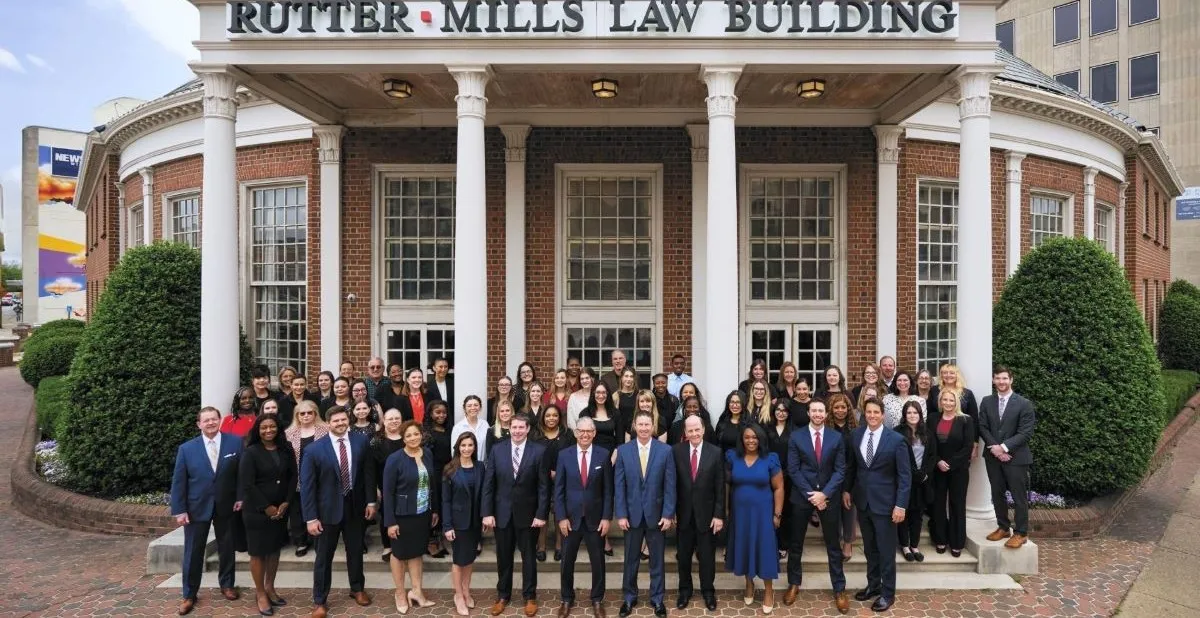
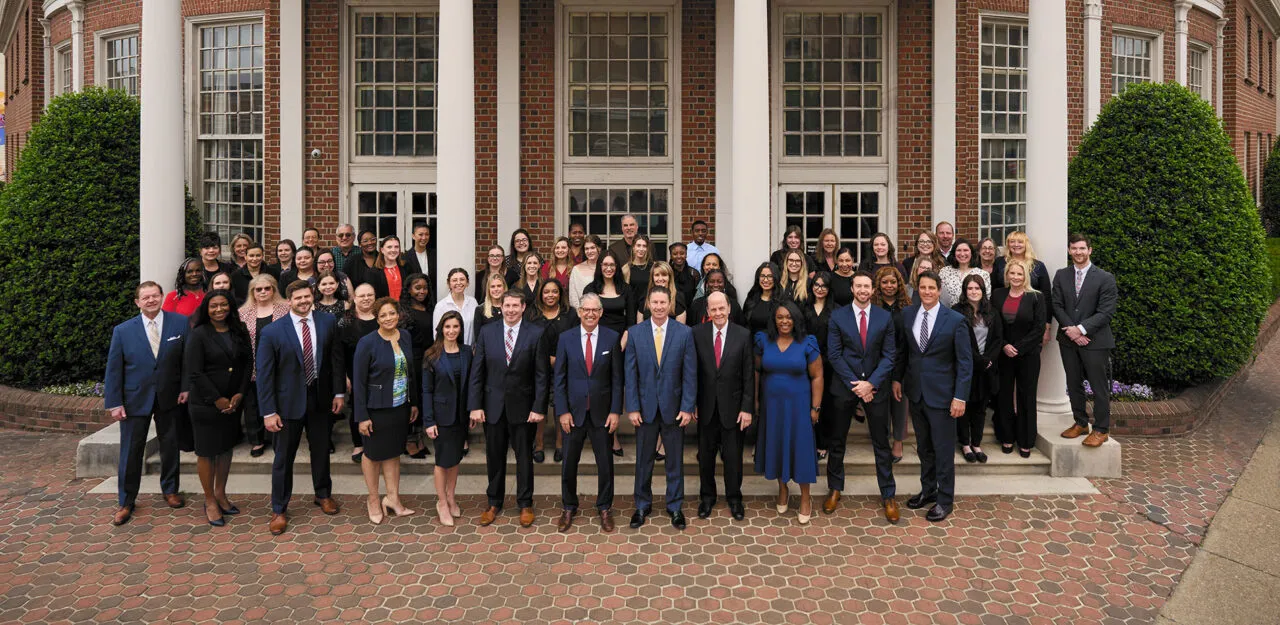
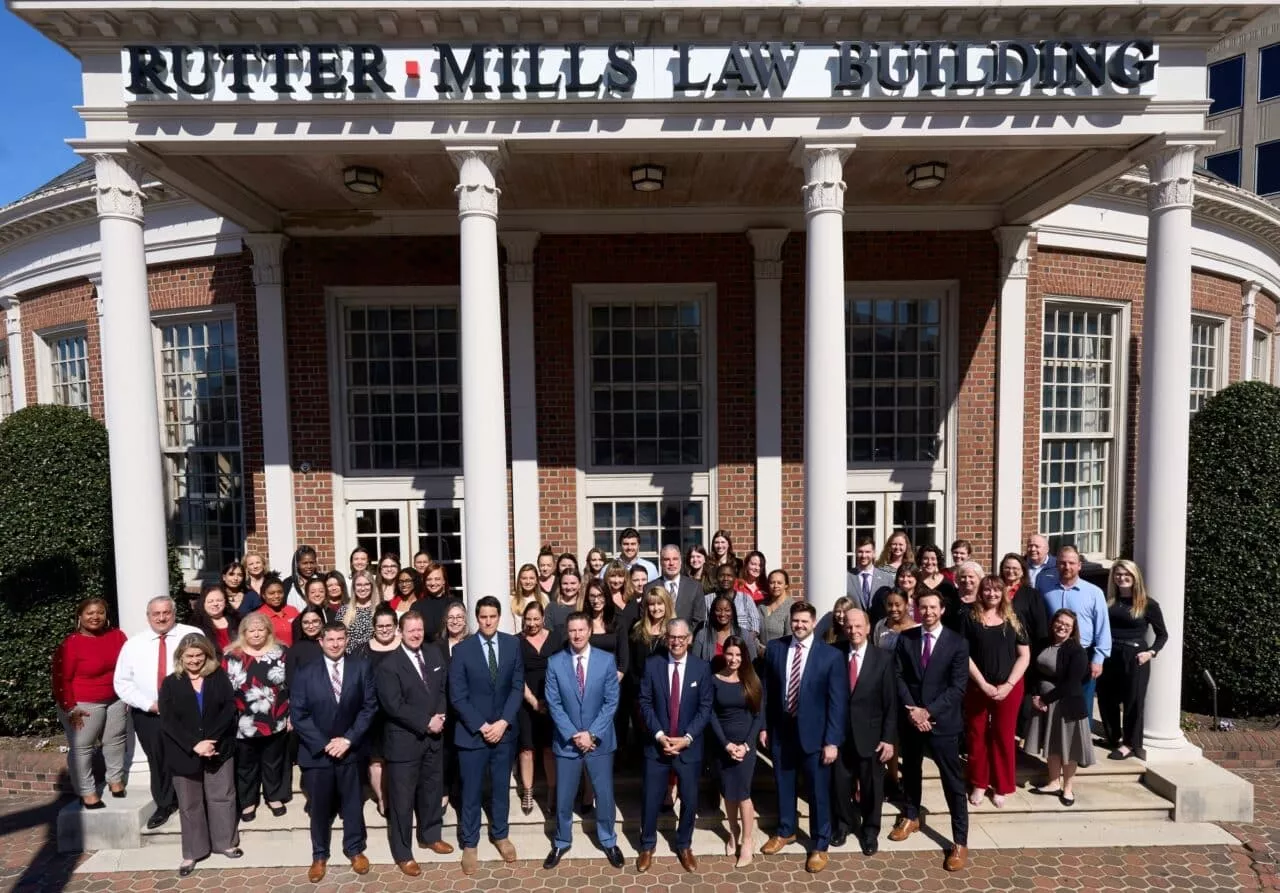
If you have been injured in a motorcycle accident due to someone else’s negligence, the Virginia Beach motorcycle accident lawyers at Rutter Mills can help. We understand the unique challenges that motorcyclists face and can fight for the compensation they deserve. For over 65 years, our team of Virginia Beach motorcycle accident lawyers has been helping people rebuild after the serious injuries often caused by the wrecks. We have helped people in your situation get the support they need to recover from their injuries.
Read more about how attorney Adam Lotkin secured $750,000 for an injured biker.
An insurance company’s opinion on fault isn’t the final word. Virginia follows a strict contributory negligence rule, which can bar recovery if a rider is found partly responsible for causing the crash. But that finding is made by a judge or jury, not an adjuster, and the other side carries the burden of proving it.
Insurers frequently blame motorcyclists because it’s an easy way to deny or reduce a claim. If you’ve received a denial or been told you were at fault, talk to an attorney before you accept it. We can investigate the crash, preserve evidence, and challenge the blame.
Rutter Mills handles motorcycle accident cases in Virginia Beach on a contingency fee basis, meaning you pay no attorney’s fees unless we recover compensation for you. Your consultation is always free, and there are no upfront costs to hire our firm.
In most cases, yes. Virginia law specifically states that not wearing a helmet cannot, by itself, prove you were negligent (Virginia Code § 46.2-910). Recovery generally comes down to what caused the crash, and a missing helmet is not typically a contributing factor.
Insurance companies may still try to argue that your injuries would have been less severe with one, but an experienced motorcycle accident lawyer can push back and fight for the compensation you deserve.
Yes. Virginia generally prohibits driving abreast of another vehicle in a lane built for just one, but the law carves out an explicit exception for two motorcycles riding next to each other.
In most cases, the turning driver is at fault. Virginia law requires a driver turning left to yield to anything close enough to be a hazard, and the Virginia Supreme Court has held that a driver has an absolute duty to see a vehicle in plain view.
Some motorcycle safety courses and programs in Virginia Beach include:
These programs are designed to help riders improve their abilities and reduce crash risks. They can help riders develop safer riding habits, but they cannot prevent every crash, particularly when another driver’s negligence causes a collision.
In most cases, Virginia gives injured motorcycle accident victims two years from the date of the crash to file a personal injury lawsuit. Waiting too long may mean you are ineligible to recover anything at all. It can also make it harder to preserve evidence and identify witnesses, so it is generally best to speak with a lawyer as soon as possible after an accident.
Certain exceptions may apply depending on the facts of your case.
A Rutter Mills case is a serious case. It may mean you have been badly injured. It certainly means you have a lot on the line, and the resolution of your case will make a big difference to you, your family, and your life moving forward.
Call or text anytime at (757) 777-7777 or fill out our contact form to schedule a free consultation and explore your options.
Years Helping Virginia Beach Motorcycle Accident Victims
Convenient Offices
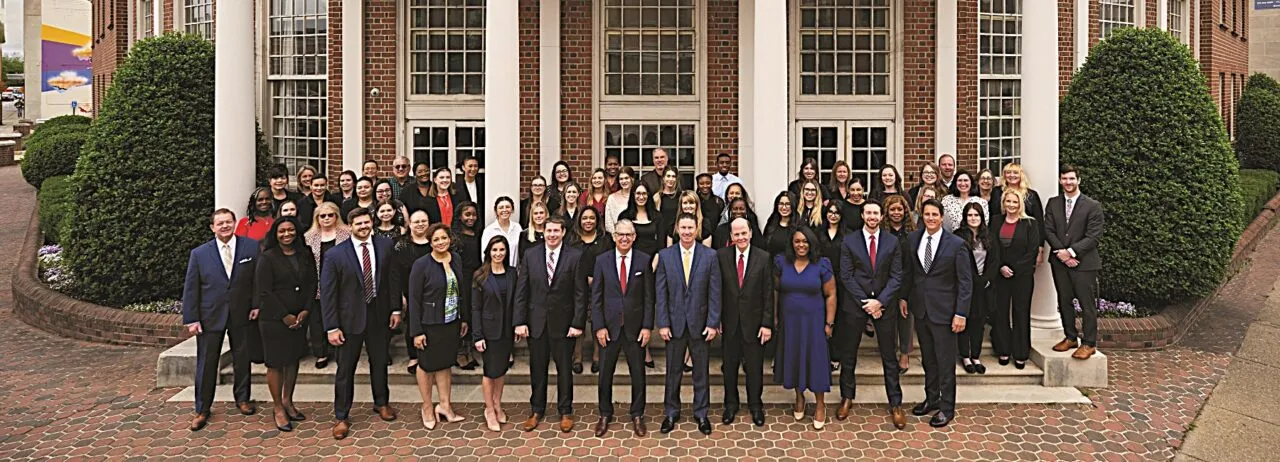
Team Members Ready to Help
If you’ve been injured on the job, workers’ compensation insurance may entitle you to critical assistance like medical treatment, lost wages, and more. But insurance companies will put up an aggressive fight to resist paying you the compensation you need and deserve. Rutter Mills can help get you the money you deserve.
REAL GOOGLE REVIEWS
Contact Us for a Free Case Evaluation
Our team is ready to listen day or night – 7 days a week, so contact us now to see how we can help you on the road to recovery.