I am beyond happy with my experience working with Rutter Mills. Rutter Mills was responsive throughout the entire journey and worked diligently on my behalf, making the process worry and stress free. I cannot recommend this company enough.
Fatal Accident Patterns in Hampton Roads: What’s Behind the Region’s Most Dangerous Roads

When a fatal crash happens, it often leaves families asking: why did this happen, and could it have been prevented? In Hampton Roads, certain roads and intersections see these tragedies again and again. By looking closely at where and why fatal crashes occur, clear patterns start to emerge. Understanding those patterns helps prevent future loss and brings accountability when negligence plays a role.
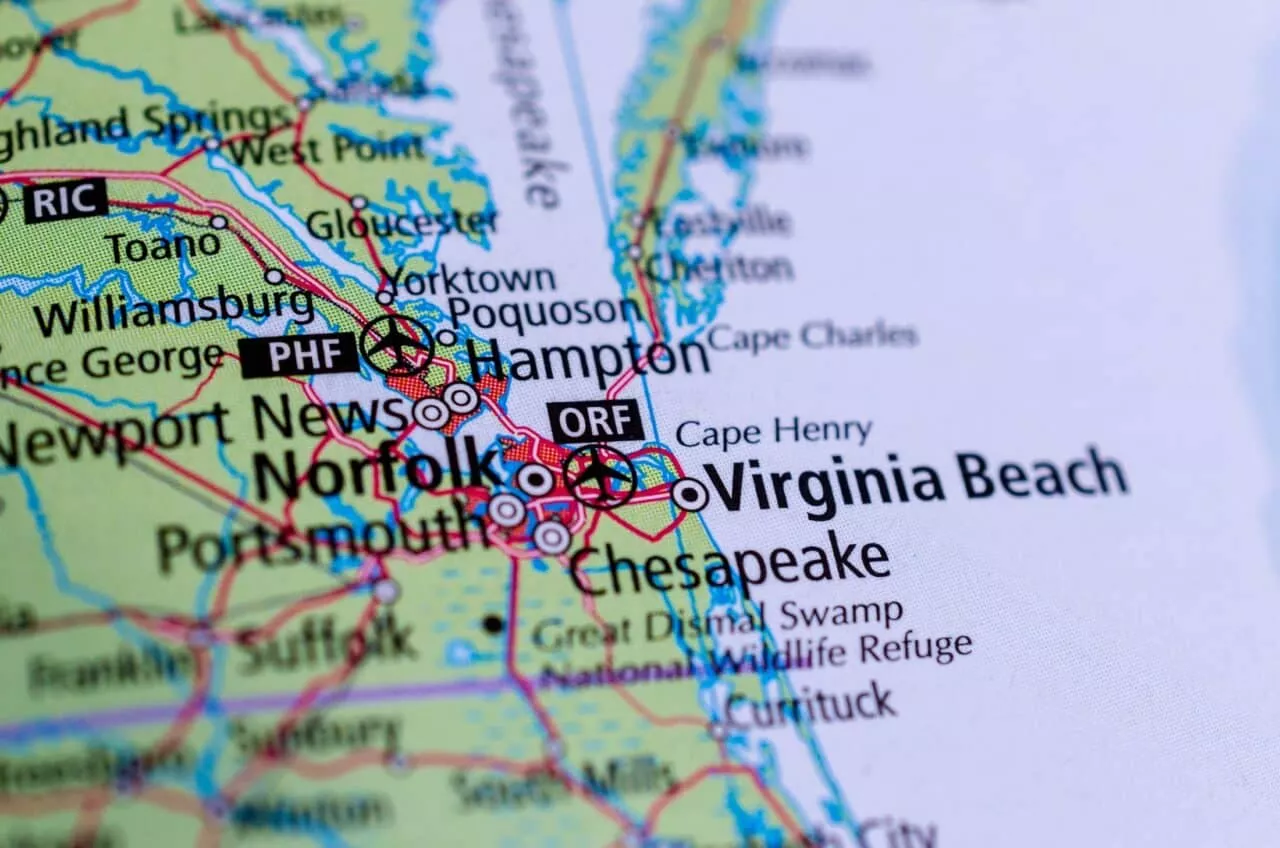
This article examines fatal crash trends across Virginia Beach, Norfolk, Chesapeake, Portsmouth, Suffolk, Newport News, and Hampton, and explains what makes specific areas so dangerous for both drivers and pedestrians.
High-Risk Intersections and Corridors
Hampton Roads is home to some of the most complex traffic systems in Virginia. The seven cities share a web of bridges, tunnels, and highways that connect commuters, freight, and tourists alike. Weather increases the risk of fatal crashes during winter months and storm season. With such heavy daily volume, the risk of high-impact collisions rises sharply where those systems converge.
Some of the most dangerous intersections and corridors include:
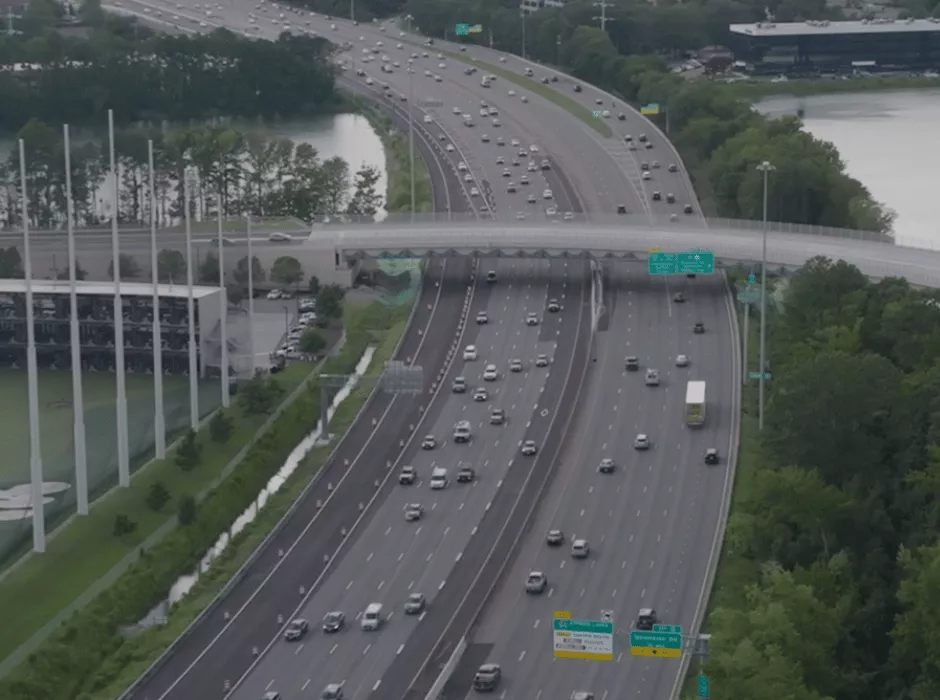
- I-264 at Independence Boulevard (Virginia Beach/Norfolk line): One of the busiest connectors in the region; fast-changing traffic and constant merging make it a hotspot for multi-vehicle crashes, especially during rush hour.
- I-264 and Witchduck Road (Virginia Beach): A long-standing trouble area where vehicles from shopping centers mix with highway traffic at high speed.
- Lynnhaven Parkway and Holland Road (Virginia Beach): Short signal cycles and frequent turning traffic lead to dozens of serious collisions each year.
- Mercury Boulevard Corridor (Hampton and Newport News): Built for lighter traffic, this corridor now handles far more vehicles than intended.
- Jefferson Avenue and Mercury Boulevard (Newport News): A busy commercial intersection where drivers often speed through yellow lights, causing high-impact side collisions.
- Military Highway (Norfolk): Constant congestion and heavy pedestrian activity contribute to a high crash rate, especially near major retail centers.
- Bowers Hill Interchange (Chesapeake): The meeting point of I-64, I-264, and US-58 creates some of the most complex merging patterns in the region.
- Copeland and Manning Road (Suffolk): Limited lighting and high speeds make this rural intersection particularly dangerous.
The common thread among these areas is transition. Drivers often shift from city streets to interstates, or from stop-and-go traffic to open highway speeds, in a matter of seconds.
Areas with significant changes in pace and attention are where deadly mistakes most often occur.
What Makes Certain Hampton Roads Intersections So Dangerous?
Safety engineers see recurring causes behind the region’s deadliest crashes:
- Speed variation. When slow-turning drivers meet fast-moving vehicles, impact forces increase dramatically.
- Design flaws. Odd angles, short merge lanes, and confusing lights create “conflict zones.” The HRTPO Roadway Safety Study lists intersection geometry as one of Hampton Roads’ biggest contributors to fatal crashes.
- Poor visibility. Trees, signage, and large vehicles often block sightlines.
- Heavy volume and multiple turns. Corridors like Jefferson Avenue and Mercury Boulevard funnel vehicles in every direction, leaving little margin for error.
- Distraction or impairment. Alcohol and phone use remain two of the most common causes of deadly crashes in Virginia.
Intersections with five or more lanes and several turn phases account for over half of all fatal intersection crashes across Hampton Roads.
Risks Unique To Local Drivers In The Seven Cities
Drivers in Hampton Roads face challenges unique to the area, making defensive driving more important than ever:
- Bridge-tunnel fatigue on long commutes through the Monitor-Merrimac and Hampton Roads Bridge-Tunnels causes sudden lane changes and rear-end collisions.
- Tourism and military relocations bring a constant flow of out-of-town drivers unfamiliar with local roads.
- Coastal weather such as fog, rain, and hurricanes can reduce visibility without warning.
- Aging infrastructure leaves many intersections undersized for modern traffic volumes.
When & Why Do Fatal Crashes Occur in the 757?
Time of day, driver behavior, and roadway conditions all influence the likelihood of a fatal crash.
- Late-night driving. Fatigue and impairment after midnight combine to make this duration the most deadly per mile traveled.
- Distracted drivers. The 2024 Virginia Traffic Crash Facts Report links 20,758 crashes and 83 deaths to distracted driving (statewide).
- Excessive speeds. Speeding contributed to 25,705 crashes in 2024, leading to 410 fatalities.
Pedestrian & Cyclist Risks
Pedestrian deaths have climbed sharply in Hampton Roads. In Virginia Beach, Atlantic Avenue, Virginia Beach Boulevard, and Lynnhaven Parkway top the list of Most Dangerous Intersections for Pedestrians in Virginia Beach.
Nearly 30 percent of the region’s fatal crashes involve pedestrians or cyclists. Limited lighting, wide lanes, and high speed limits make it difficult for drivers to react in time. Better crosswalk lighting, clearer signage, and stronger enforcement could save lives each year.
When Is The Highest Risk For Pedestrian Fatalities?
Nighttime is especially dangerous for pedestrians. More than three-quarters (77%) of pedestrian fatalities occur in the dark, compared to just 19% in daylight.
- Across every season, deaths peak in the evening hours (particularly between 6 p.m. and midnight).
- In cooler months, the highest share of pedestrian fatalities peaks between 6 and 9 p.m.
- In warmer months the deadliest window shifts slightly later, from 9 to midnight.
Most fatal pedestrian collisions occur when visibility is limited, attention lapses, and speed leaves little room for error.
What Virginia Families Should Know After a Fatal Car Crash
A fatal crash is usually the result of preventable factors such as negligent driving, poor road design, or inadequate maintenance. Recognizing what went wrong is an important step toward healing, and it’s also how families begin to protect others from the same heartbreak.
In the aftermath, two questions matter most: who is responsible for the crash? and how can the family be made whole again? The answers to those questions form the foundation of every wrongful death claim.

Determining Responsibility
Accountability after a fatal crash often extends beyond one individual. A negligent driver might be at fault, but so might a trucking company that ignored safety protocols, a government agency that failed to maintain the roadway, or a manufacturer whose defective part contributed to the crash. Understanding how each of these elements connects requires careful investigation and technical analysis.
Recovering Damages
When a family loses a loved one, the impact reaches far beyond financial strain. Medical bills, funeral expenses, and lost income are only part of the picture. The emotional pain, loss of companionship, and disruption of family life can’t be measured in numbers, but they are real and significant. Compensation exists to help families regain stability, not to replace what was lost, but to ease the burdens left behind.
An attorney’s role begins where these questions end. Once the causes and responsibilities are clear, a legal advocate can take action, building a case that not only secures financial recovery but also demands accountability.
How a Rutter Mills Attorney Helps You Recover Compensation
Pursuing a wrongful death claim after a fatal crash is never just about paperwork. It’s about finding answers, proving accountability, and making sure your family has the financial stability to move forward.
That process requires both compassion and a firm that understands how Hampton Roads works, its traffic patterns, its road design challenges, and the investigative steps needed to reveal what really happened.
A Hampton Roads lawyer from Rutter Mills can:
- Reconstruct the cause of the crash by analyzing police reports, traffic-camera footage, and roadway design data to determine whether speed, distraction, or unsafe infrastructure played a role.
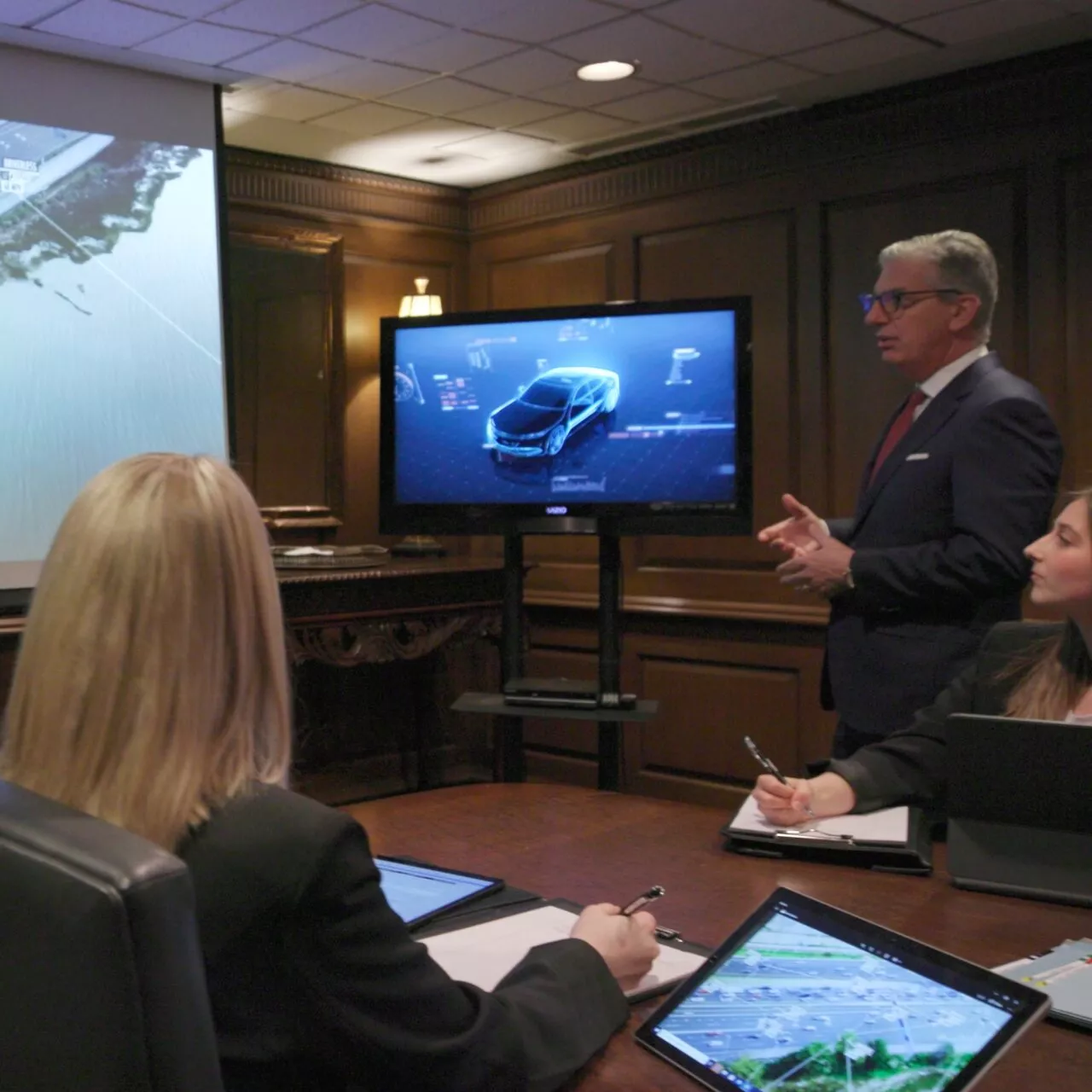
- Collaborate with top-tier experts, including accident reconstruction engineers and human-factors specialists, to translate technical evidence into a clear story of what caused the collision.
- Handle every communication with insurers and opposing attorneys so your family isn’t pressured into quick settlements that don’t reflect the full extent of your loss.
- Document the complete impact of the loss, from funeral and medical costs to future income, pain, and emotional harm, ensuring the claim reflects your family’s true needs.
- Guide you step-by-step through the legal process, providing clarity, empathy, and consistent updates so you always know where your case stands.
For decades, Rutter Mills has helped families across Hampton Roads recover compensation after devastating crashes. Our attorneys combine local insight with legal experience to fight for the justice each client deserves while treating every case with the compassion it demands.
Moving Forward with Strength and Support
Every statistic represents a life and a family forever changed. For those who have lost a loved one in a Hampton Roads crash, the road to healing can feel overwhelming, but you don’t have to go it alone.
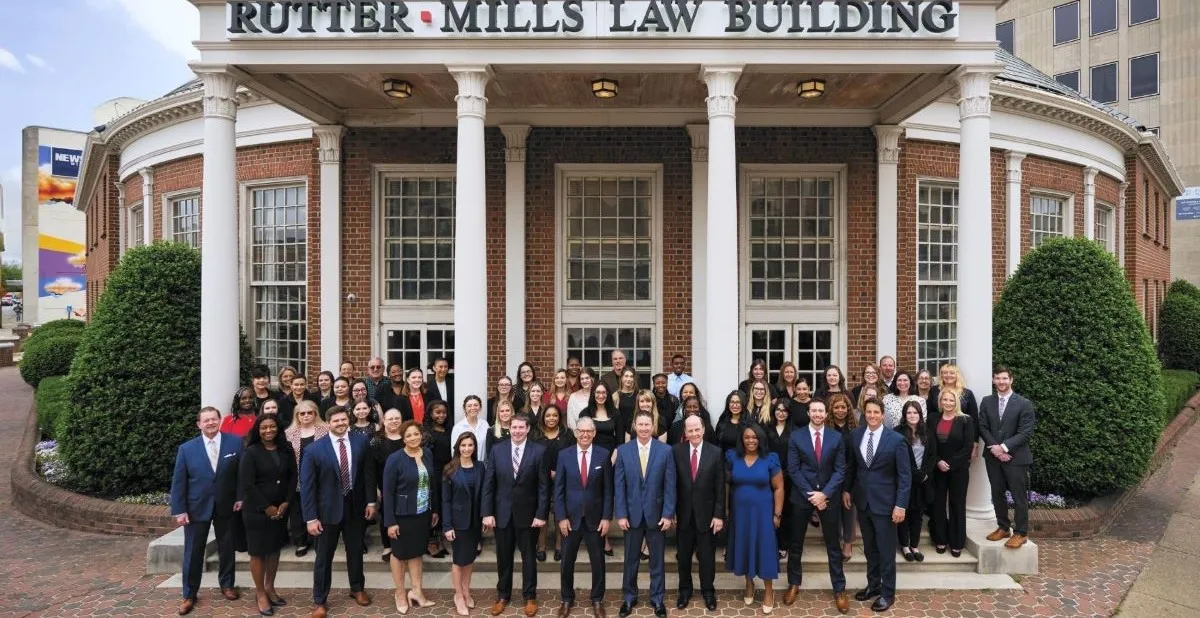
The accident attorneys at Rutter Mills have served this community for decades. We know the roads, the intersections, and the unique challenges that make driving here so complex, whether it’s an auto accident, a trucking accident, a wrongful death claim, or otherwise.
More importantly, we understand the emotional and financial toll that accidents bring. Our team is ready to listen to your story, explain your rights, and help you seek justice for your loved one.
If you are ready to take the next step, contact Rutter Mills today for a free, confidential consultation. We’ll stand beside you every step of the way. Call us at (757) 777-7777.
Written by:

Erik Porcaro
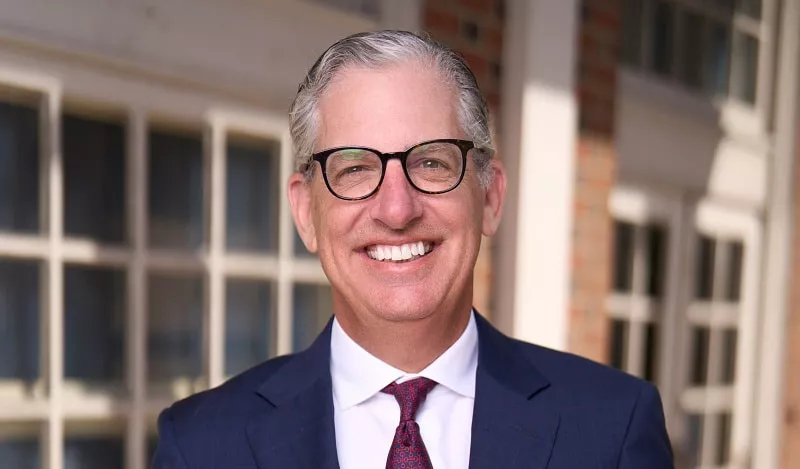
Car Accident LawyerErik Porcaro is a former Assistant District Attorney turned dedicated personal injury attorney at Rutter Mills in Norfolk, where he leverages his courtroom experience to fiercely advocate for injury victimss. A Fordham Law graduate with over 20 years experience, Erik specializes in complex personal injury cases, offering a client-centered approach that puts victims' recovery and justice at the forefront.
Make the Right Call After a Car Accident in Virginia Beach
When you are ready to discuss your car accident claim, our attorneys will be here for you. Rutter Mills is the personal injury law firm that goes beyond the ordinary. We have the expertise, resources, and renowned reputation to take on the big insurance companies and fight for the justice you deserve. Contact us today for a free, no-obligation consultation.
Legacy
0
+
Years Helping Injury Victims
Locations
0
Convenient Locations in Hampton Roads
Strength
0
+
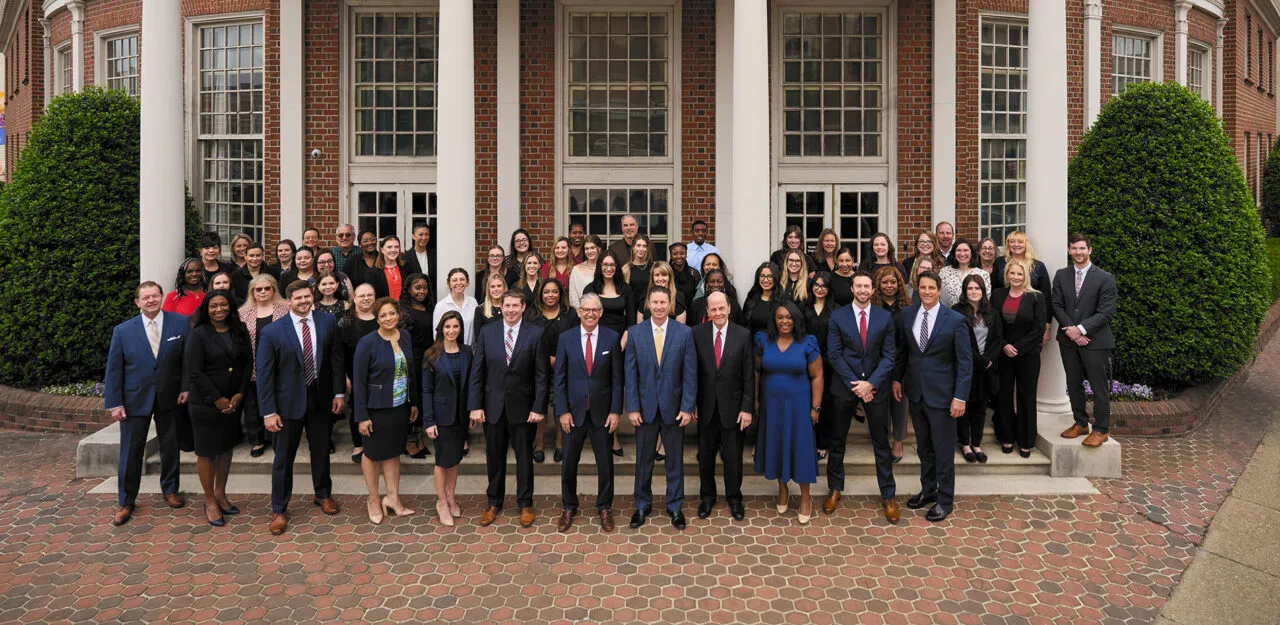
Team Members Ready to Help

What Matters Most
Enjoy this 60 second look at "What Matters Most" to us.
ACTUAL GOOGLE REVIEWS
See what our clients say about their experience at Rutter Mills.

Workers Compensation
If you’ve been injured on the job, workers’ compensation insurance may entitle you to critical assistance like medical treatment, lost wages, and more. But insurance companies will put up an aggressive fight to resist paying you the compensation you need and deserve. Rutter Mills can help get you the money you deserve.