Preventing Wrong-Way Accidents After Daylight Saving Time

wrong way car accident lawyers

Preventing Wrong-Way Accidents After Daylight Saving Time

Car Accident Info
Posted on Oct 27, 2026

Key Takeaways from this article:

  • Wrong-way accidents are rare but deadly, with a fatality rate 30 times higher than other crashes.
  • Darkness is a major risk factor, as approximately 73% of wrong-way accidents occur after dark.
  • Alcohol and driver confusion increase the risk of a serious collision.
  • Hampton Roads has several wrong-way driving hotspots including the Hampton Roads Bridge-Tunnel.
  • Injured drivers can pursue compensation for medical expenses, lost wages, and other damages when another driver’s negligence causes their injuries.


The Dangers of Wrong-Way Driving in Hampton Roads

As days grow shorter in Hampton Roads and evening commutes unfold under the fading light of Daylight Saving Time, the risk of serious roadway mistakes quietly rises. With the change, driving conditions can quickly turn dangerous, especially when visibility changes.

Among the most devastating of these incidents are wrong-way car accidents, with an uptick of such cases in the fall and winter, when the sun sets earlier in the day.

wrong-way sign on road

How Common Are Wrong-Way Accidents in Hampton Roads?

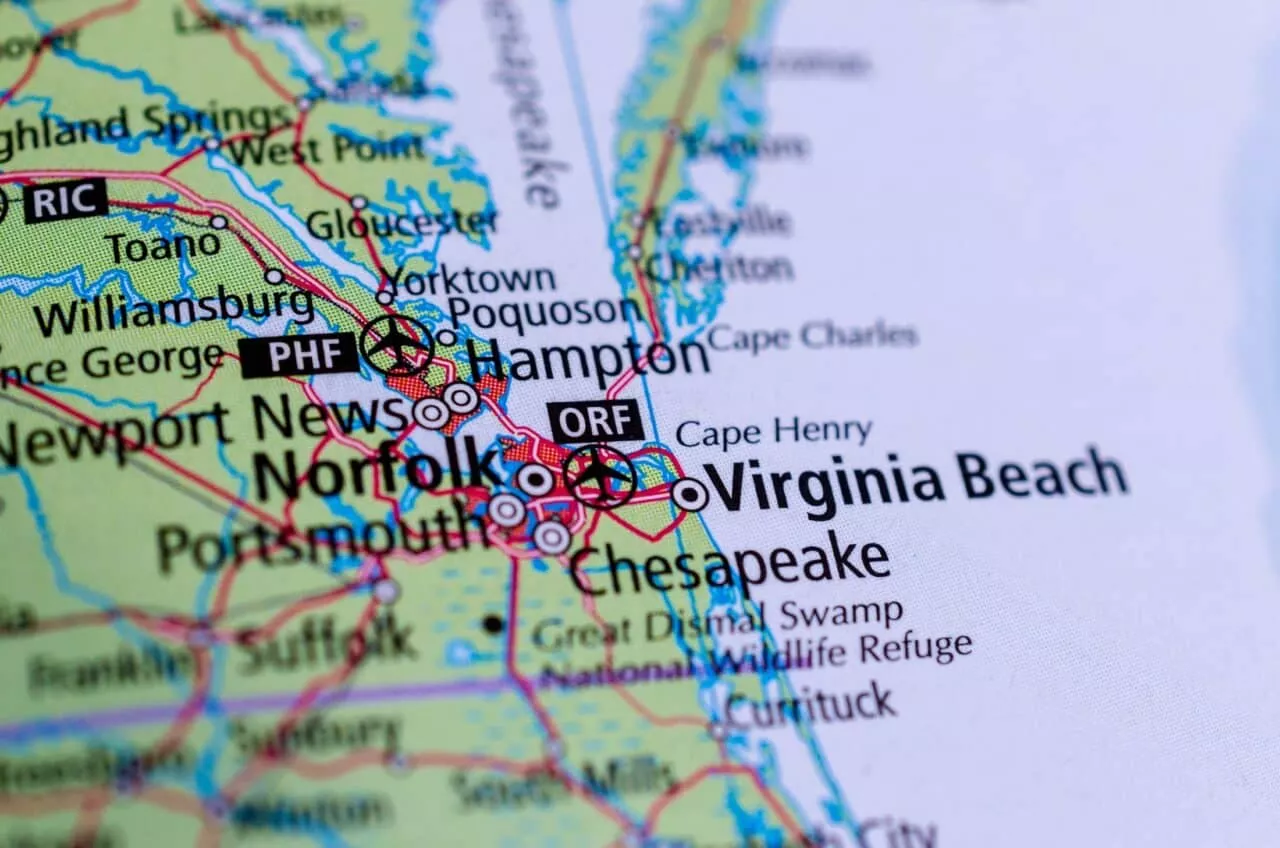
Students come to the seven cities to attend local universities, military families relocate near the area’s naval bases, and tourists flock to the beaches every summer. When these out-of-town drivers share the road with locals, missed cues and last-minute turns can increase the risk of wrong-way accidents.

In Virginia, wrong-way driving (WWD) crashes on interstates comprise just 0.1% of all crashes—but their fatality rate is 30 times higher. A study by the Virginia Transportation Research Council (VTRC) identified 193 wrong-way crashes between 2016 and 2022. Of those crashes, 16.1% were fatal and 23.3% caused serious injuries.

Identifying Wrong-Way Crash Patterns in Virginia

While accidents cannot always be predicted, crash data can reveal patterns that help explain how and where they occur. The VTRC analysis examined crash data to identify interstate ramps where wrong-way drivers most often enter the highway.

More than half of wrong-way crashes on Virginia interstates involve head-on collisions (51%), which helps explain why these incidents so often lead to catastrophic injuries.

The report identified several consistent patterns in wrong-way crashes:

Alcohol: About 40% of presumed wrong-way drivers had been drinking, and about 5% had used drugs. The report notes that alcohol involvement in these crashes is roughly eight times higher than the rate seen across crashes statewide overall (about 5%).

Visibility: About 73% of wrong-way crashes occurred in darkness, and roughly two-thirds happened between 9 p.m. and 5 a.m. Late-night driving often means lower visibility, fewer visual cues, and a higher likelihood of impaired or fatigued drivers on the road.

Age: The report found that 17.8% of wrong-way drivers were seniors, compared with a historic average of 11.4% across all crash types.

Taken together, these patterns help transportation officials identify where prevention efforts may be most effective.

Why Wrong-Way Accidents Increase When the Sun Sets Earlier

Wrong-way crashes during early sunsets often involve multiple compounding factors, including limited visibility, roadway design challenges, and human fatigue.

At twilight, our eyes experience a rapid adaptation from bright daylight to dim light, a process known as the photopic to mesopic transition. This temporary reduction in visual acuity can make it harder to detect lane markings, signage, or other vehicles.

To top it off, sun glare during late-afternoon commutes can make it even harder to see the road, increasing the likelihood of misjudging distances or failing to recognize “Do Not Enter” or “Wrong Way” signs.

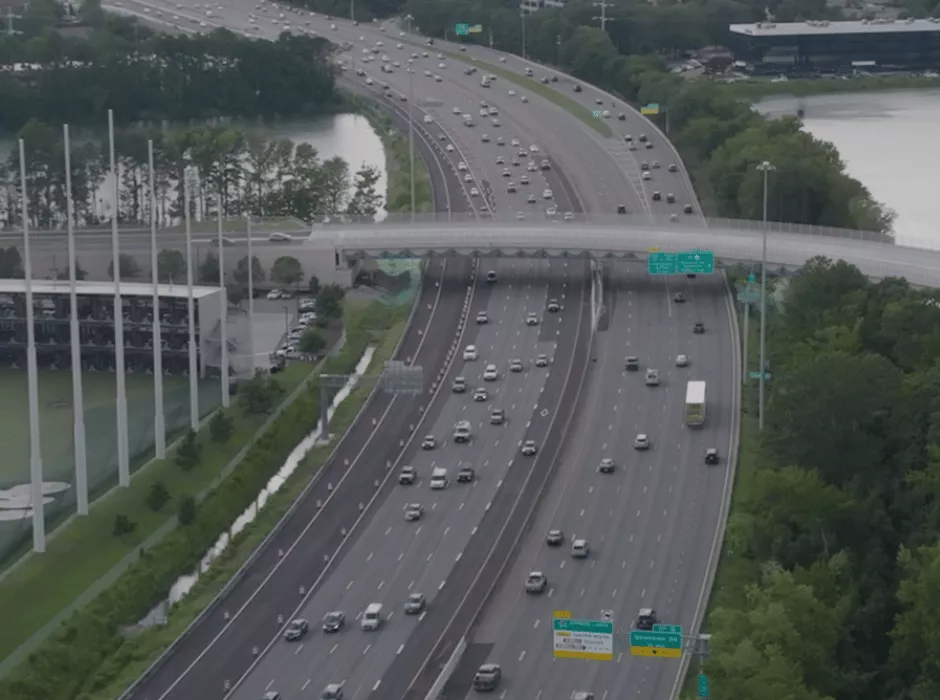
Modern traffic patterns and ongoing construction projects throughout Hampton Roads have created an intricate network of interchanges that can challenge even experienced drivers. In high-traffic areas, particularly along I-64, I-264, and I-464, drivers often face a quick succession of exits, merges, and lane shifts.

When visibility is limited by dusk or darkness, it becomes easier to misread signage or accidentally enter the wrong ramp.

Virginia’s older interchanges, particularly in Norfolk and Chesapeake, often feature closely spaced entrance and exit ramps, which can contribute to driver confusion and error, especially after dark when visual cues are reduced.

Limited signage, complex ramp geometry, and the need for rapid lane changes further increase the risk of accidents in these areas.

Early sunsets align with the body’s natural circadian dip in alertness, typically occurring between 2:00–4:00 AM and 2:00–4:00 PM. This physiological low can impair reaction time, decision-making, and situational awareness.

Couple these factors with rush hour traffic, public transport, and school buses, and you’re looking at a particularly hazardous evening commute.

Additionally, drivers may experience cumulative fatigue from the workday or engage in social activities involving alcohol, both of which further increase the risk of disorientation and wrong-way driving.

clock turned back during autumn months

Wrong-Way Crash Hotspots on I-64 in Hampton Roads

Exit 272 on I-64W (Willoughby Spit)

Exit 272 was identified in the VTRC analysis as one of the most active wrong-way driving hotspots in Virginia. Approximately 300 emergency calls were recorded at this hotspot over a period of 6.5 years. When the VTRC examined the data, it found what many local commuters already knew: some drivers intentionally enter the ramp from the wrong direction in an attempt to bypass tunnel traffic.

The hotspot is not located on the exit ramp itself, but on the merge ramp. When drivers see miles of traffic backed up before the Hampton Roads Bridge-Tunnel, some attempt to take the last ramp before the tunnel despite clearly posted red “Wrong Way” signs.

Temporary barriers have since been installed to block portions of the interchange as part of ongoing efforts to reduce this risk.


Exit 279A on I-64E (Norview Avenue)

Traffic from the Hampton Roads Beltway (HRB), the HOV, and proximity to Norfolk International Airport (ORF) make Exit 279A a particularly busy area for drivers entering and exiting I-64. The exit ramp curves out of view until the last moment, which can lead to missed turns.

The next available right turn after the exit is a one-way street. A driver who misses Exit 279A may become flustered and mistake a nearby ramp for an alternate route, potentially leading to a wrong-way entry onto the highway.


Additional Wrong-Way Car Crash Hotspots on I-64

Complex interchanges, one-way streets, and closely spaced ramps can all contribute to wrong-way driving incidents. Drivers unfamiliar with Hampton Roads may find the network of bridges, tunnels, and interstate connections particularly confusing.
Additional locations where wrong-way driving incidents have been reported include:

Tips to Prevent Wrong-Way Driving in Hampton Roads

The VTRC suggests that using multiple safety measures together can help reduce the risk of wrong-way driving incidents.

Drivers can also take practical steps to protect themselves on Hampton Roads highways:

  • Limit highway travel after dark
  • Slow down when entering ramps or bridge-tunnels at night
  • Watch for red reflectors which indicate “wrong way”
  • Pay attention to signage
  • Avoid distractions and stay alert
  • Never drive impaired, exhausted, or upset


1. Slow Down and Stay Centered

At night, reduced depth perception makes it harder to judge curves and oncoming traffic. Maintain moderate speed and stay slightly right of center within your lane to give more room if another driver drifts over the line.

2. Watch for “Do Not Enter” and “Wrong-Way” Signs

Reflective red signage is designed to catch headlights at night, but fatigue or glare can dull awareness. Make a habit of scanning intersections and ramp entrances deliberately before merging onto highways.


3. Reduce Glare Inside the Car

Keep your windshield clean, lower your sun visor during sunset, and dim dashboard lights to avoid eye strain. Properly aligned headlights also make a major difference in visibility.


4. Wear Specially Designed Sunglasses

For safer driving during sunrise or sunset, choose sunglasses with polarized lenses to reduce glare from the road and other reflective surfaces.

Brown or amber-tinted lenses can improve contrast in changing light conditions, while a backside anti-reflective coating helps minimize distracting reflections caused by low-angle sunlight. Wraparound or larger frames can also block light entering from the sides, improving overall visibility.

Call 911 If You Spot a Wrong-Way Driver

Never try to warn or follow a wrong-way driver. Safely pull over, provide the location and direction, and let dispatchers handle the alert. Quick reporting can prevent chain-reaction crashes.

asphalt roadway
IMG_1997

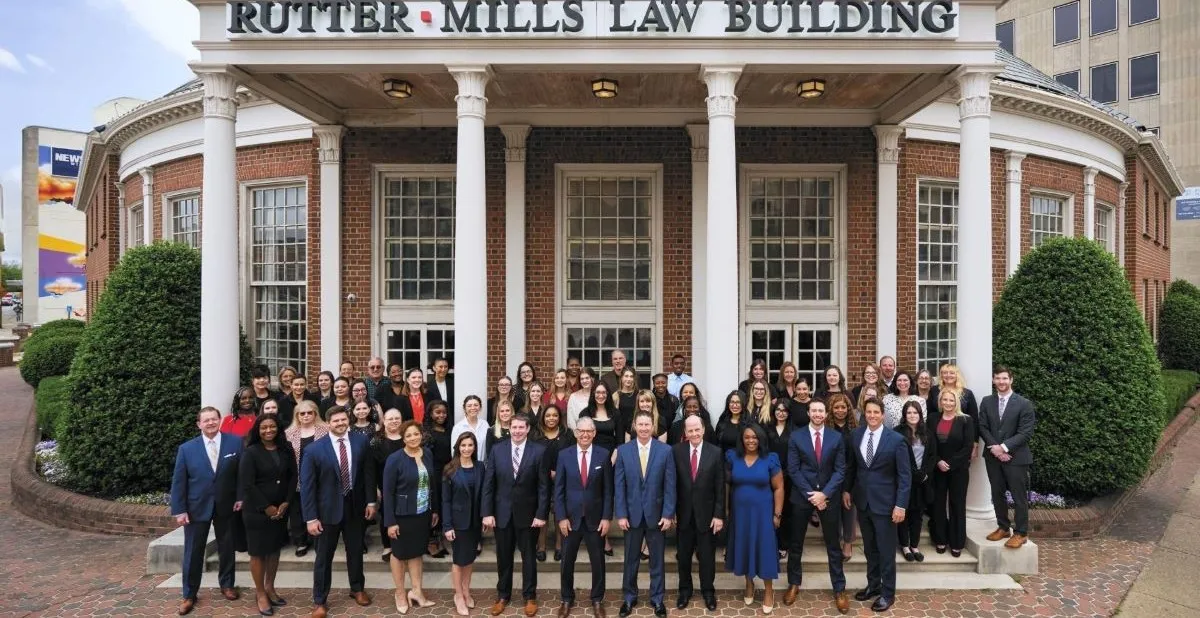
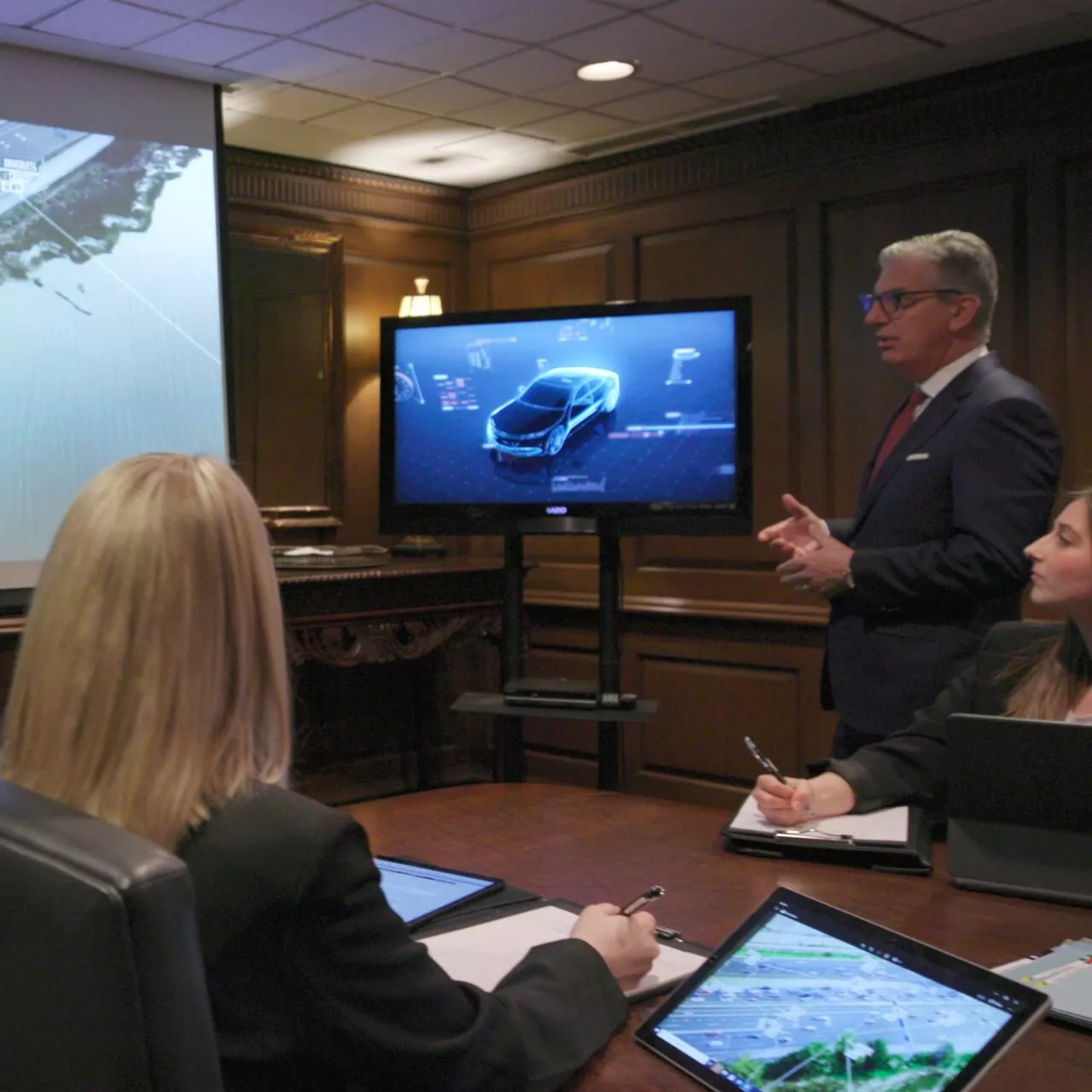
The personal injury lawyers at Rutter Mills work with accident reconstruction experts to identify contributing factors, such as poor signage, impaired driving, or roadway design flaws, and build each case to maximize compensation.

Our team of car accident attorneys will guide you through every step of the process, from gathering critical evidence and accessing top medical care to make sure all of the deadlines are met, so you can focus on recovery while we fight for your rights.

Schedule Your Free Legal Consultation

If you or a loved one has been injured in a wrong-way crash anywhere in Hampton Roads, the wrong-way driving accident attorneys at Rutter Mills are here to help.

Our team has represented Hampton Roads families for over 65 years with the compassion, skill, and dedication every victim deserves.

Reach out for a free, no-obligation consultation today: (757) 777-7777.

Consent*