
Tourism and the Risk of Rideshare Accidents in Virginia Beach, VA

Virginia Beach Injury Lawyers

Tourism and the Risk of Rideshare Accidents in Virginia Beach, VA

Car Accident Info
Posted on Aug 08, 2026

Tourists flock to Virginia Beach each year. The oceanfront, boardwalk, and major events at venues like The Dome by Rutter Mills make the area a lively summer destination. While tourism provides vital support for the local economy, the influx of visitors also raises the risk of rideshare car accidents in VA Beach.

During peak travel hours, rideshare drivers often navigate congested streets and frequent pedestrian crossings near Atlantic Avenue and Pacific Avenue. Street closures, heavy pedestrian activity, and limited parking can create unpredictable driving conditions. Reduced visibility at night can further increase the likelihood of accidents involving Uber and Lyft drivers, and their passengers.

virginia-beach-injury-firm
rideshare car accident lawyers

While these crashes can happen anywhere, rideshare accidents are more likely to occur in busy areas with heavy traffic, frequent pickups and drop-offs, and large numbers of pedestrians.

The bars and restaurants along Shore Drive and busy oceanfront areas draw a large number of Uber and Lyft pickups and drop-offs.

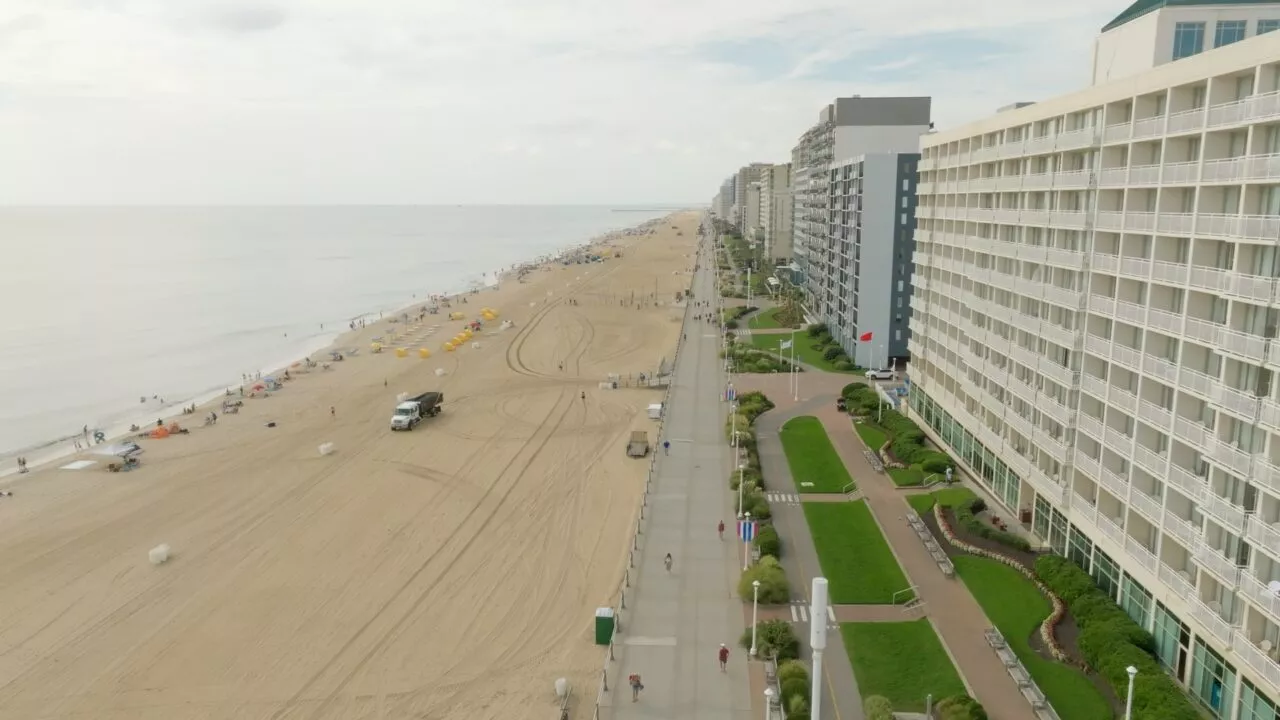
VA Beach Oceanfront

Tourism significantly increases traffic in VA Beach, particularly during peak oceanfront event seasons like spring and summer. Atlantic Avenue, Pacific Avenue, and the surrounding streets see constant rideshare activity. Heavy pedestrian crossings, nightlife, and curbside pickups can lead to sudden stops, distracted driving, and increased crash risk.

Virginia Beach Town Center

Town Center attracts visitors to restaurants, offices, concerts, and nightlife venues.

Rideshare vehicles frequently stop along busy streets like Independence Boulevard and Market Street, where congestion and turning traffic can increase the likelihood of accidents.

Laskin Road / Hilltop Area

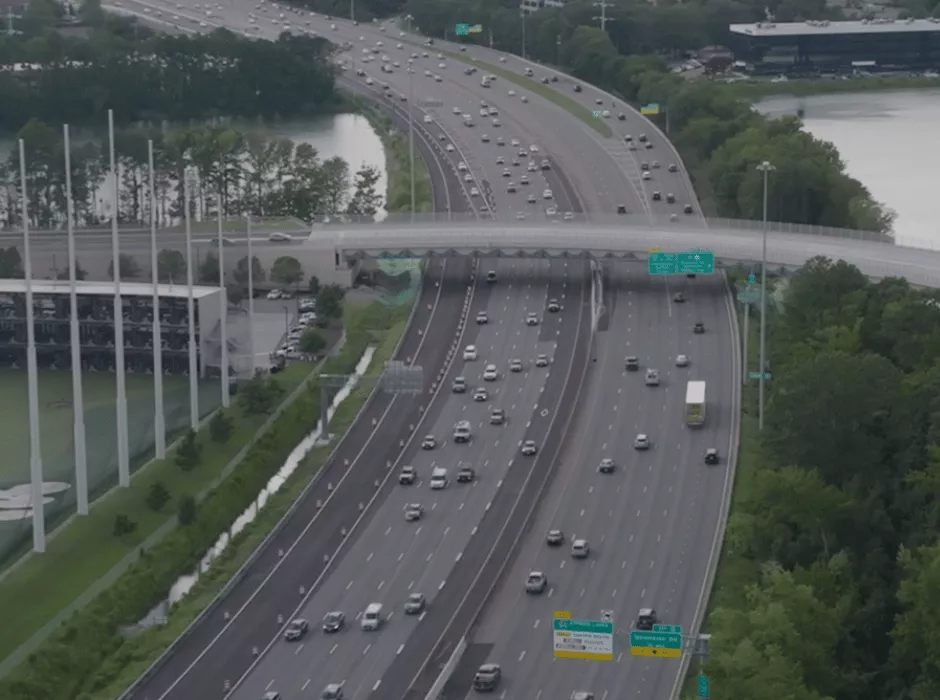
Route 58 is one of the city’s busiest corridors, connecting the interstate to the oceanfront. The nearby Hilltop shopping district generates steady rideshare traffic, particularly near shopping centers and restaurants where drivers frequently pull over to pick up or drop off passengers, often amid ongoing road construction and shifting lanes.

uber-car-accident-lawyers

Why do Rideshare Accidents Happen in Virginia Beach?

Several factors increase the risk of rideshare accidents during tourist season at the beach:

  • Complex traffic patterns: Cars, motorcycles, bicycles, scooters, and pedestrians mingle at the oceanfront during summer.
  • Heavy traffic and time pressure: Surge pricing and congestion increase the risk of distracted or rushed driving.
  • Reduced visibility at night: Concerts, nightlife, and evening events bring heavier traffic after dark, when limited visibility can increase the risk of rideshare crashes for drivers and passengers.

How Can Rideshare Passengers Stay Safe in Virginia Beach?

Passengers can help reduce risk, especially in busy tourist areas. A few simple precautions can make a meaningful difference:

  • Choose well-lit pickup and drop-off locations with minimal traffic
  • Always wear your seatbelt
  • Avoid rushing the driver in heavy traffic
  • Be mindful of noise and distractions for your driver
  • End the ride early if the situation feels unsafe

Uber and Lyft also provide location-specific guidance for Virginia Beach riders, including information about designated pickup areas and how to report safety concerns through their apps.

What Happens After a Rideshare Accident?

If you’re seriously hurt in a rideshare crash, determining responsibility can be complicated. Coverage often depends on two factors: who caused the crash and the rideshare driver’s status at the time of the incident.

Liability usually begins with the driver who caused the crash. Depending on the circumstances, that could include:

  • The rideshare driver
  • Another driver involved in the crash
  • A third party if a vehicle defect or road hazard contributed to the accident

For injured rideshare passengers, claims typically begin with the insurance policy covering the rideshare vehicle. If another driver caused the crash, that driver’s insurance may ultimately be responsible for the passenger’s damages. If the available coverage is insufficient, additional insurance policies, including the passenger’s own uninsured or underinsured motorist (UM/UIM) coverage, may also apply.

Because rideshare accidents can involve multiple insurance policies and questions about which coverage applies, determining liability is often more complicated than in a typical car accident.

Insurance coverage can depend on whether the driver was off the app, waiting for a ride request, enroute to a pick up, or actively transporting a passenger. These different stages can determine whether the driver’s personal insurance or the rideshare company’s coverage applies.

VA law requires rideshare companies like Uber and Lyft to provide significant insurance coverage, including up to $1 million in liability coverage during an active trip.

Because multiple insurers may be involved, determining which policy applies after a crash can be complicated for passengers and other drivers.

Ride share services

Legal Options After a Rideshare Accident in Virginia Beach

Rideshare accident claims can be more complicated than typical car crashes because multiple insurance policies may apply. Coverage often depends on whether the Uber or Lyft driver was waiting for a ride request, on the way to pick up a passenger, or actively transporting someone.

A car accident attorney familiar with rideshare accident cases can help determine which insurance policies apply and pursue compensation for injuries, lost income, and other damages. All consultations are free and confidential.

Call or text our experienced rideshare car accident attorneys anytime: (757) 777-7777.

Consent*