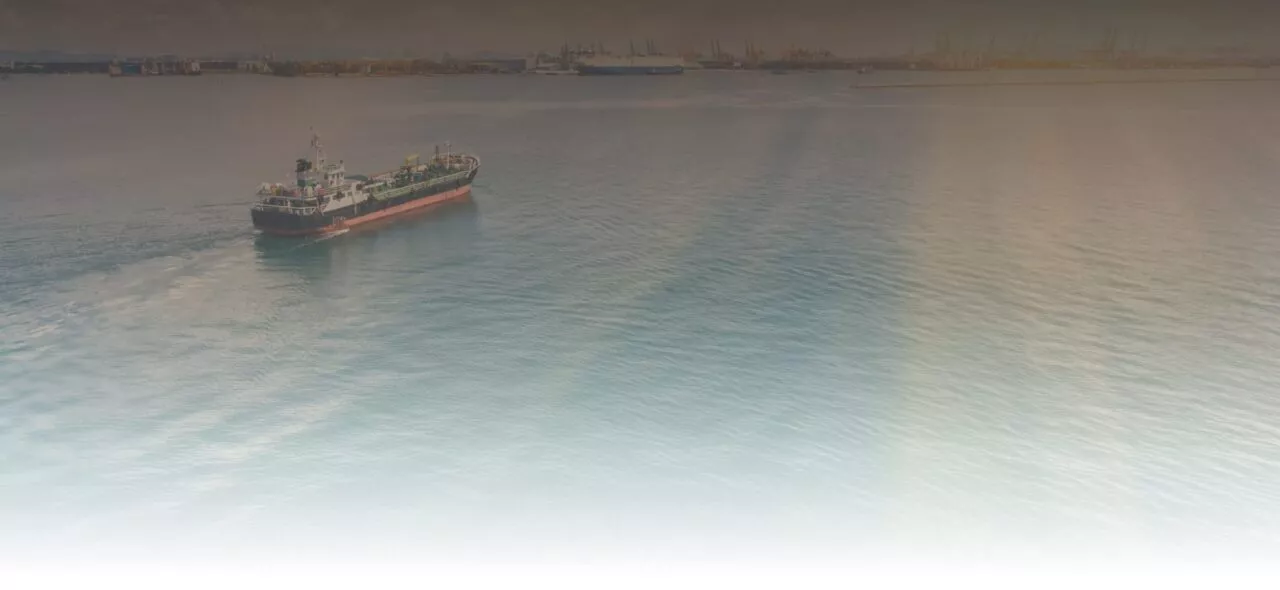
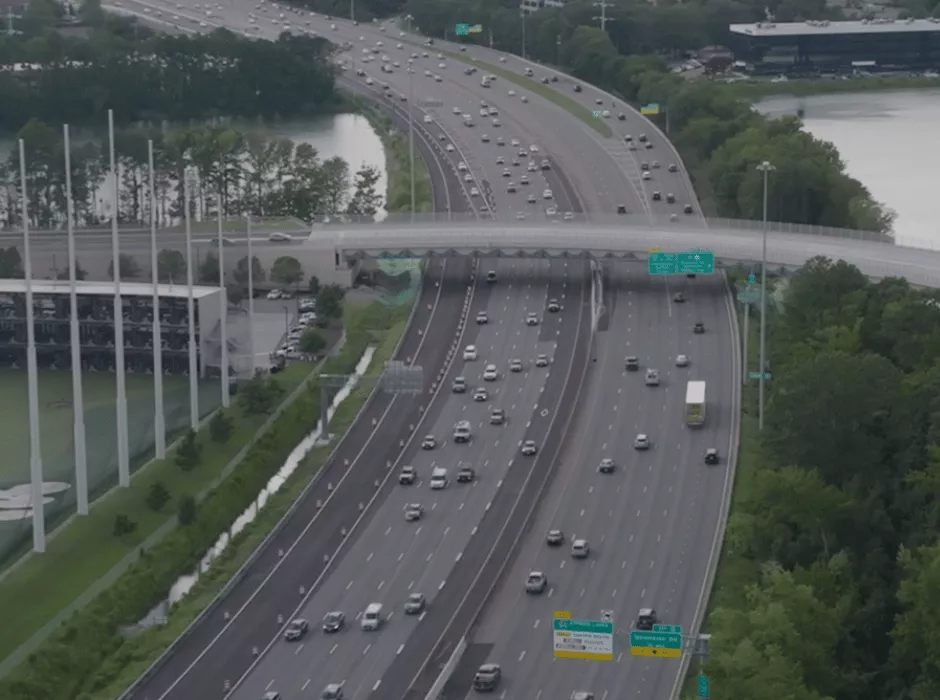
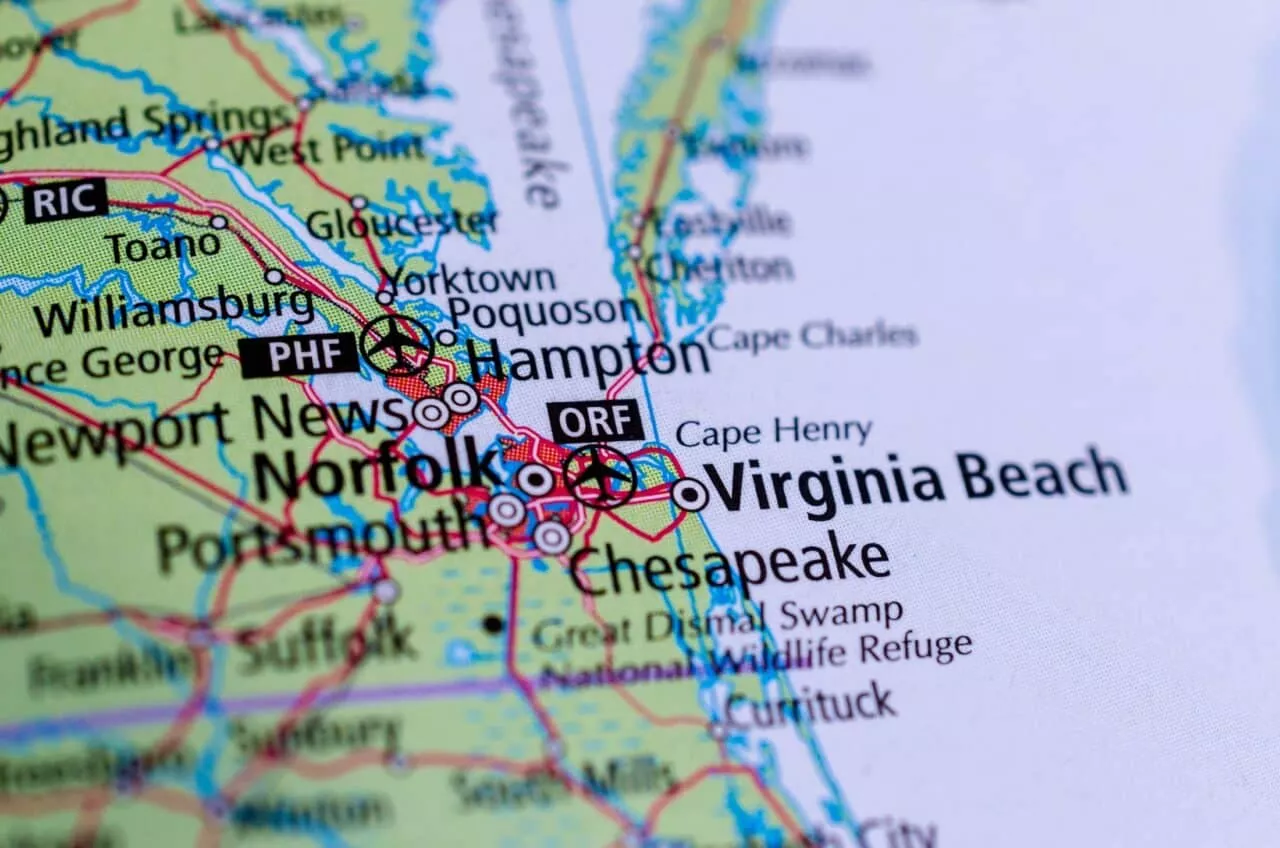
The many bridge-tunnels of Hampton Roads can all affect stability and visibility for motorcyclists:
- Sudden crosswinds
- Changing light conditions
- Wet pavement
- Stop-and-go traffic
Riders traveling through the Hampton Roads Bridge-Tunnel, Monitor-Merrimac, or Chesapeake Bay Bridge-Tunnel should reduce speed, increase following distance, and avoid abrupt lane changes.
Tunnel traffic can also compress quickly during backups. Motorcyclists should leave themselves an escape route and avoid lingering in drivers’ blind spots whenever possible.
Hampton Roads is home to several major military installations, and traffic patterns around bases can become unpredictable during shift changes and peak commute hours. Sudden braking, aggressive merges, and distracted driving are common near gates and heavily traveled corridors.
Motorcyclists riding near Naval Station Norfolk, Joint Base Langley-Eustis, Oceana, or local shipyards should stay especially alert during early morning and afternoon commutes. Maintaining extra space between vehicles can provide valuable reaction time in dense traffic conditions.
Coastal weather can create dangerous riding conditions quickly. After heavy rain, standing water may hide potholes, uneven pavement, or debris that can destabilize a motorcycle. Slick road paint, metal surfaces, and bridge joints also become more hazardous when wet.
When severe weather moves through Hampton Roads, riders should slow down, avoid sudden braking, and avoid low-lying roads known to flood, such as in downtown Norfolk. Even shallow water can create dangerous conditions for motorcycles.
During spring and summer, Virginia Beach and other popular destinations see a sharp increase in out-of-town traffic. Drivers unfamiliar with local roads may make sudden lane changes, miss exits, stop unexpectedly, or fail to notice nearby motorcycles.
Riders should remain especially cautious near the oceanfront, large concert venues, and attractions where traffic tends to be heavier and more unpredictable. Visibility, lane positioning, and maintaining a safe following distance become even more important during tourist season.
Many riders now use helmet cameras or action cameras like GoPro and Insta360 while riding. In some motorcycle accident cases, video footage can help document unsafe driving behaviors, traffic conditions, or how a crash occurred.
Because Virginia follows a strict contributory negligence rule, evidence can play an important role in motorcycle accident claims. Riders involved in a crash should preserve any available footage and avoid deleting recordings that may help establish what happened.