I am beyond happy with my experience working with Rutter Mills. Rutter Mills was responsive throughout the entire journey and worked diligently on my behalf, making the process worry and stress free. I cannot recommend this company enough.
Virginia Motorcycle Accident FAQs: What Riders Need to Know

Motorcycle accidents often involve more serious injuries, more complicated investigations, and more disputes about fault than passenger vehicle crashes. Riders may also face unfair assumptions from insurance companies, witnesses, or other drivers immediately after an accident.
The motorcycle accident lawyers at Rutter Mills answer common questions riders may have after a crash in Virginia.
Why Road Hazards Affect Motorcycles More Than Cars
Road conditions that may have little effect on larger vehicles can create serious dangers for motorcyclists.
Unlike passenger vehicles and trucks, motorcycles rely on only two narrow tire contact patches to maintain traction, balance, brake, and stability. Hazards such as loose gravel, standing water, uneven pavement, steel plates, roadway debris, or strong winds can quickly affect a rider’s ability to maintain control.
Motorcycles are also more vulnerable to sudden changes in visibility, road texture, and weather conditions. Hazards that might feel minor inside a car can lead to serious crashes on two wheels.
What If I’m Rear-Ended on My Motorcycle in Tunnel Traffic?
In Virginia, the rear driver is often presumed to be at fault in rear-end collisions. However, motorcycle crashes inside tunnels and congested traffic areas can quickly become complicated.
Insurance companies may argue the rider stopped too suddenly, was difficult to see, or contributed to the crash in some way. Multi-vehicle pileups may involve conflicting witness statements and disputes over chain-reaction impacts.
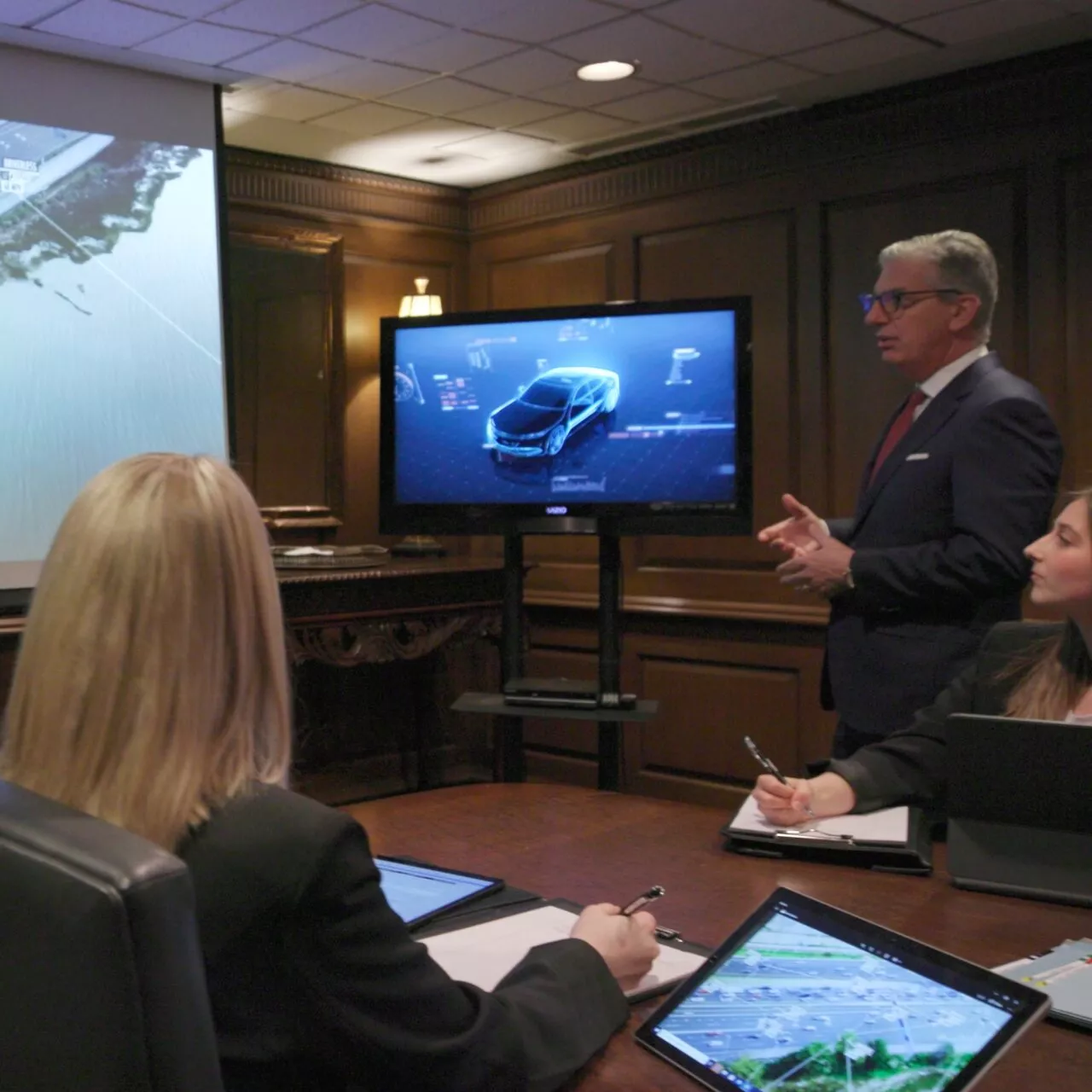
Because damaged vehicles are often moved quickly to restore traffic flow, helmet cam footage, eyewitness statements, traffic cameras, and crash reconstruction evidence may become especially important.
Who Is at Fault in a Chain-Reaction Motorcycle Crash?
Chain-reaction motorcycle crashes often happen during group rides, when riders travel in staggered formations with only seconds to react to changing road conditions. One distracted driver, unexpected stop, road hazard, or unsafe lane change can cause multiple motorcycles to crash in rapid succession.
These collisions frequently involve disputes about what triggered the crash and whether the at-fault driver, another motorcyclist, or multiple parties contributed to the chain of events.
Virginia’s contributory negligence rule can make motorcycle accident claims especially complicated, but fault is not always as straightforward as it may initially appear at the scene. An investigation may be needed to determine how the crash began and whether each rider had a realistic opportunity to avoid the collision.
What If a Driver Says They “Didn’t See” the Motorcycle?
“I didn’t see the motorcycle” is one of the most common explanations drivers give after motorcycle accidents.
However, reduced visibility does not eliminate a driver’s responsibility to remain alert, check blind spots, and operate a vehicle safely. Drivers still have a duty to look for motorcycles before changing lanes, turning, or merging into traffic.
In many cases, investigators examine whether the driver had sufficient time and opportunity to see the motorcycle before the collision.
Am I Automatically At Fault if I Hydroplaned on a Motorcycle?
Not necessarily.
If your motorcycle hydroplanes and collides with another vehicle, that does not automatically mean you are legally responsible for the crash. Depending on the circumstances, another driver’s actions, a poorly maintained roadway, dangerous roadway drainage that allowed standing water to accumulate, or a construction-related hazard may have contributed to the collision.
If the crash involved only your motorcycle, determining who may be responsible for your injuries can still require investigating whether dangerous road conditions or negligent roadway maintenance played a role.
Investigating weather-related motorcycle accidents often involves reviewing roadway conditions, traffic footage, witness statements, and crash reconstruction evidence.

Can I Seek Compensation for a Motorcycle Crash Caused by Uneven Road Surfaces?
Potentially.
Motorcycle crashes caused by road hazards may involve construction companies, contractors, maintenance providers, or government entities responsible for roadway conditions.
Dangerous roadway conditions are often repaired quickly after a crash, which can make preserving evidence especially important.
Investigating motorcycle crashes caused by roadway hazards may require:
- Obtaining construction and maintenance records
- Investigating prior complaints involving the roadway
- Requesting surveillance or traffic camera footage
- Accessing roadway inspection reports
- Identifying potentially liable third parties connected to the hazard
Can a Construction Company Be Liable for a Motorcycle Crash?
Construction companies and contractors may potentially be held responsible if unsafe work zones, poor signage, loose debris, dangerous pavement transitions, or improperly maintained construction areas contributed to the accident.
Construction zone motorcycle crashes can become especially difficult to investigate because roadway conditions often change rapidly after the collision.
Who Is at Fault if I Was Lane Splitting During a Motorcycle Accident in Virginia?
Lane splitting and lane filtering are currently illegal in Virginia. However, the fact that a rider was lane splitting does not automatically resolve every question of legal responsibility after a crash.
Many motorcycle accidents involve multiple contributing factors. Drivers may still share responsibility for unsafe lane changes, distracted driving, speeding, aggressive merging, or failing to check blind spots.
These cases often require careful investigation of traffic conditions, vehicle positioning, witness statements, and roadway evidence.
Can I Recover Compensation for Damaged Riding Gear?
Motorcycle accident claims may include compensation not only for injuries and motorcycle damage, but also for riding gear damaged during the crash.
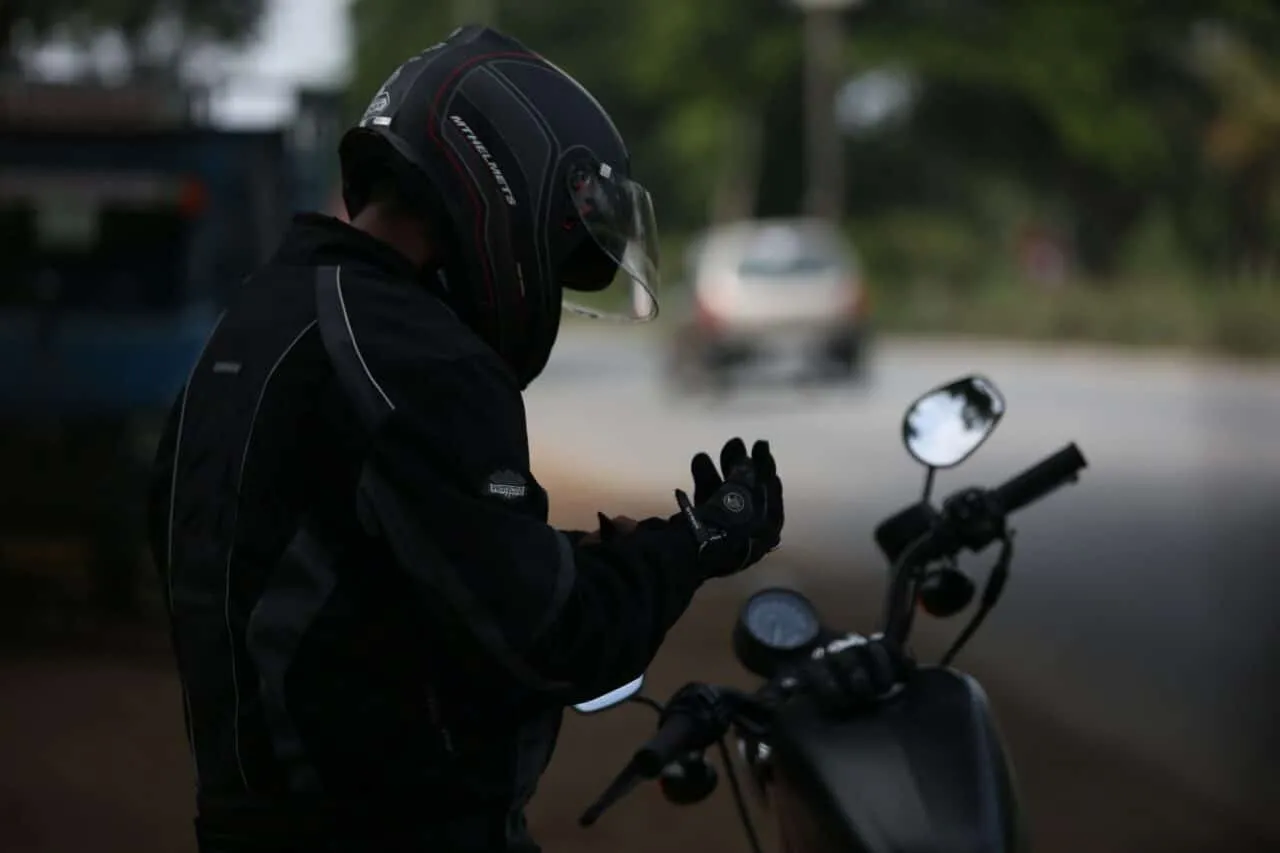
Helmets, armored jackets, gloves, boots, riding pants, communication systems, and other protective equipment can be expensive to replace after a serious accident.
Damaged gear may also serve as important evidence after a collision. Impact marks, abrasion patterns, and helmet damage may help demonstrate the severity of the crash and support injury claims.
Because of this, riders should preserve damaged riding gear whenever possible rather than immediately discarding it after the accident.
Can I Still Seek Compensation if I Laid Down My Bike To Avoid a Car?
Possibly.
A motorcycle rider does not necessarily need to physically collide with another vehicle to pursue compensation after a crash. If a negligent driver forces a motorcycle off the road or to lay the bike down, that other driver can be at fault. These claims may become more difficult if the other driver leaves the scene or disputes involvement in the incident, but there may still be ways to collect damages.
Helmet cam footage, eyewitness statements, skid marks, traffic cameras, and roadway evidence may all become important in reconstructing the crash.
Can a Motorcycle Accident Affect a Military Career?
Serious motorcycle injuries may affect deployment status, physical readiness requirements, training schedules, or a service member’s ability to perform certain duties.
Motorcycle accidents involving active-duty military personnel may also create additional concerns involving command reporting requirements, military medical treatment, missed promotions, lost training opportunities, and long-term work restrictions caused by permanent injuries.
Documentation often becomes critically important after these accidents, including medical records, treatment plans, work restrictions, and crash evidence.

Can I Choose Where My Motorcycle Gets Towed After an Accident?
Riders may not always have an opportunity to make towing decisions immediately after a serious crash, particularly after accidents on bridge-tunnels, interstates, or heavily congested roads.
However, if conditions allow it, riders may request a preferred tow company, dealership, repair facility, or storage location after the accident.
Does Insurance Cover Motorcycle Towing After a Crash?
Many motorcycle insurance policies include towing, roadside assistance, or transportation coverage following an accident, though available coverage varies by policy.
Before authorizing major repairs or salvage decisions, riders should carefully document the motorcycle’s condition. Damage patterns, impact points, roadway debris, and mechanical failures may all become important evidence after the crash.
What To Do After a Motorcycle Accident in Virginia
After a motorcycle accident:
- Seek medical treatment immediately
- Report the accident to law enforcement
- Photograph the scene, motorcycle, and injuries if possible
- Preserve damaged riding gear and helmet
- Obtain witness contact information
- Avoid discussing fault at the scene
- Notify the insurance company promptly
- Call the experienced motorcycle accident lawyers at Rutter Mills
Rutter Mills Motorcycle Accident Attorneys
Motorcycle crashes often involve complicated questions about fault, roadway conditions, visibility, and serious injuries. If you’ve been injured while riding and aren’t sure if you’ve got a case, call for your free legal consultation.
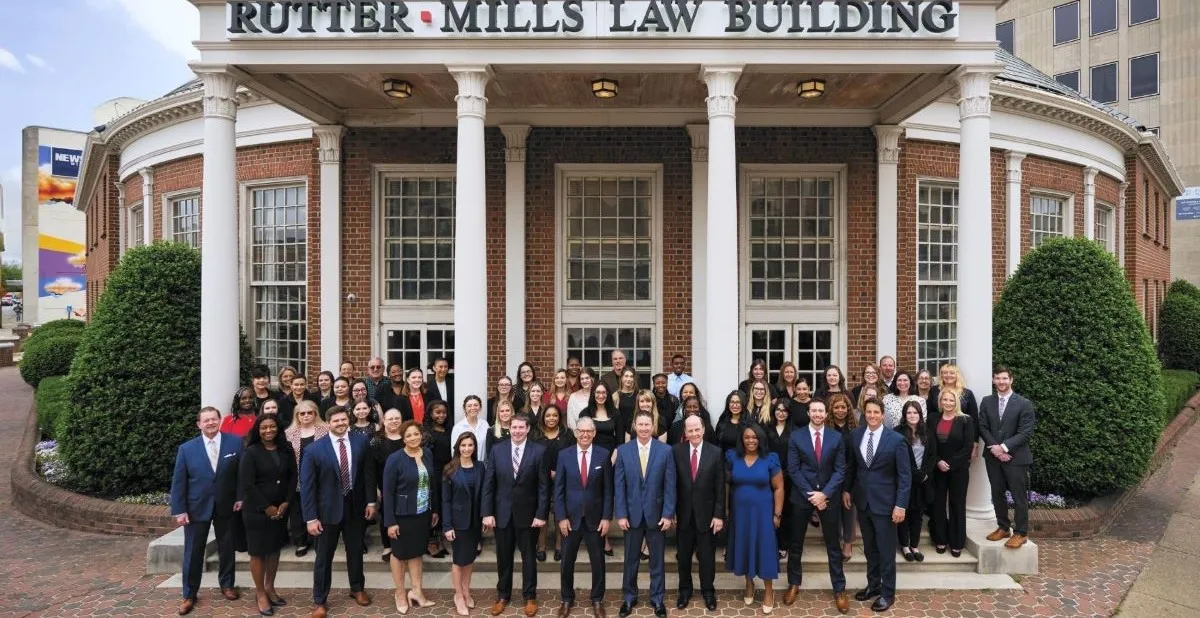
Rutter Mills has represented injured riders across Virginia since 1959. Call or text (757) 777-7777 to discuss your legal options with a motorcycle accident lawyer.
Legacy
0
+
Years Helping Injury Victims
Locations
0
Convenient Locations in Hampton Roads
Strength
0
+
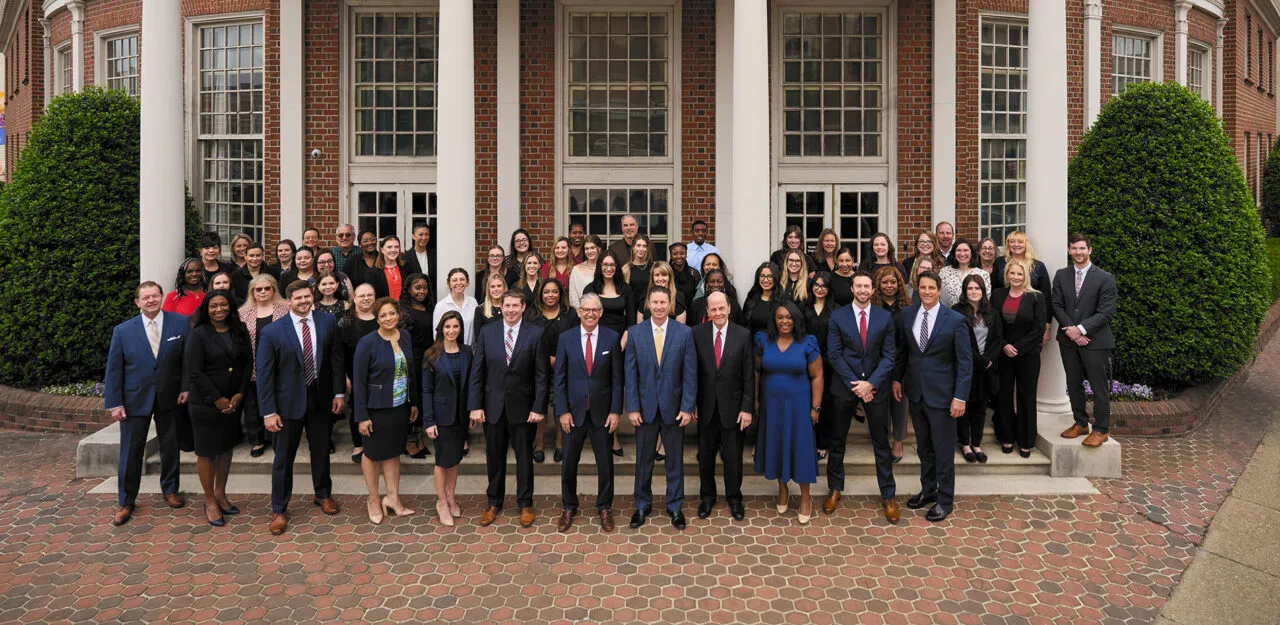
Team Members Ready to Help

u003ch2 class=u0022display-1u0022u003eu003cstrongu003eWhat Matters Mostu003c/strongu003eu003c/h2u003e
Enjoy this 60 second look at u0022What Matters Mostu0022
u003cp class=u0022text-overlineu0022u003eu003cstrongu003eACTUAL GOOGLE REVIEWSu003c/strongu003eu003c/pu003e
u003ch4 class=u0022heading-4u0022u003eSee what our clients say about u003cspan style=u0022color: #404040;u0022u003etheir experience at Rutter Mills.u003c/spanu003eu003c/h4u003e
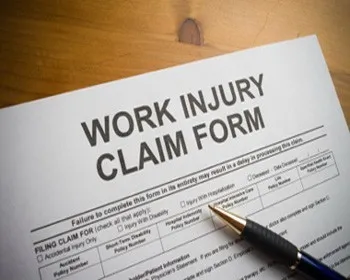
Workers Compensation
If you’ve been injured on the job, workers’ compensation insurance may entitle you to critical assistance like medical treatment, lost wages, and more. But insurance companies will put up an aggressive fight to resist paying you the compensation you need and deserve. Rutter Mills can help get you the money you deserve.