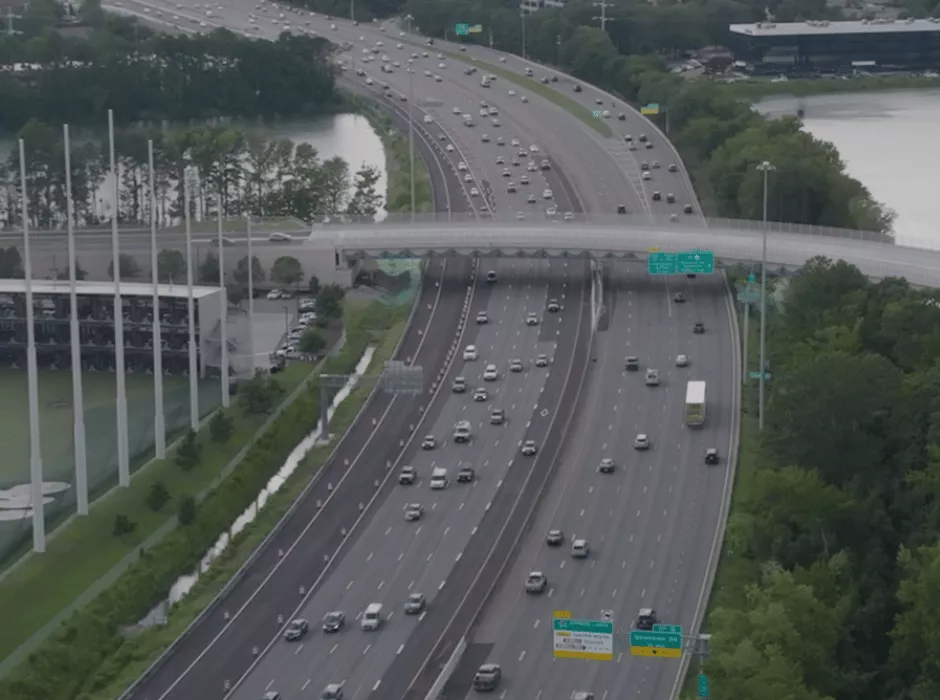
The collision occurred while the man was traveling for work after purchasing supplies for a job site.
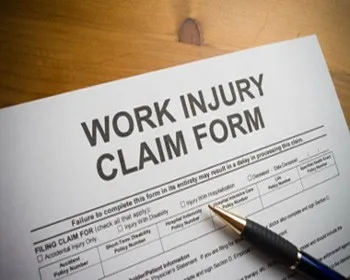
However, when he attempted to file a workers’ compensation claim, the insurer disputed whether the accident was work-related. The insurer argued that he had been driving home rather than traveling to a job site as directed by his supervisor.
The dispute created uncertainty about whether workers’ compensation benefits would be available to help cover his medical treatment and lost wages.
Without health insurance, the construction worker faced additional difficulties obtaining medical treatment.
His injuries also prevented him from performing the physical duties required by his job. Because his employer had no suitable position available within his restrictions, he was unable to return to his regular work.
The combination of medical expenses, lost income, and ongoing physical limitations created significant financial pressure for his family.
The at-fault driver’s liability insurance policy provided $30,000 in available coverage. Given the severity of the client’s injuries and their effect on his ability to work, William Riggenbach recognized that the liability policy alone would not adequately compensate him.
Rutter Mills therefore pursued additional recovery through underinsured motorist (UIM) coverage.