










Norfolk Lime Scooter Accidents: What Injured Riders Need to Know
Posted on June 24, 2026
Most people expect that Social Security will serve as part of their retirement income. However, a significant percentage of the workforce will find themselves disabled long before their retirement date. If you are experiencing a disability or illness that takes you out of the workforce, you may qualify for Social Security Disability Insurance (SSDI), a form of early retirement benefits.
Even under the best of circumstances, the majority of applications for SSDI are initially denied. The application process is complicated, and those going it alone often make mistakes. Hiring an attorney to represent you increases the odds of having the application approved.
Keep in mind that even appeals are often denied, but there is the option of appearing before an Administrative Law Judge to argue the case. At this point, medical records are reviewed, testimony is given, and your attorney has the opportunity to cross-examine witnesses.
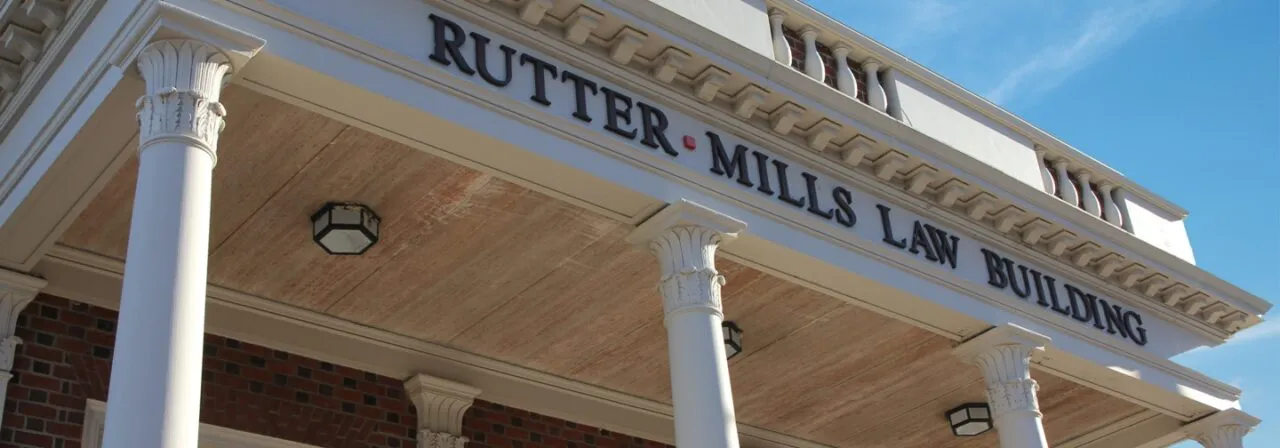
The Virginia Beach Social Security lawyers at Rutter Mills can ensure your claim is filed appropriately or appeal a claim denial. We prepare clients for their appearance before an Administrative Law Judge and guide them every step of the way.
The difference between SSDI and SSI is mainly the eligibility criteria required to qualify. Both are federal programs funded by the Social Security Administration (SSA) to support Americans with disabilities. SSI is reserved for individuals with limited income who may or may not be employed, whereas SSDI must provide a qualifying work history and proof that they have paid into Social Security.
Only those who are completely disabled qualify for SSDI. The disability is either expected to last a minimum of one year or until the person dies. There is no funding for short-term or partial disability.
The applicant must also show they have the appropriate number of Social Security credits for eligibility. Anyone who has worked for five out of the past ten years should have accrued enough Social Security work credits to qualify.
The claimant must prove that they cannot perform the type of job formerly held due to the complete disability. The person cannot take on other types of employment due to their age, skill level, education, prior work history, or the physical or mental impairment with which they were diagnosed.
Low-income people who are ineligible for SSDI may still qualify for Supplemental Security Income (SSI). This program is based entirely on financial need and is available to those who are blind or totally disabled, or over 65, with limited income and resources. The current resource limit is $2,000 per person or $3,000 for a married couple. SSI funds pay for food, shelter, and clothing.
Our Virginia Beach lawyers for Social Security disability can determine whether a client qualifies for SSI based on their income and personal assets.
How much Social Security Disability you’ll be paid is based on how much money you have earned over the last 35 years. In 2026, the maximum benefit per month was $4,152. That number changes every year, based on the monetary needs of the people who depend on SSDI benefits.
Disabled individuals currently receive an average monthly SSDI benefit of around $1,800, according to the Social Security Administration. Additional benefits may be paid based on your averaged indexed monthly earnings (AIME) from your highest-earning years, and for qualifying spouses and other dependents. To calculate your actual benefits — your primary insurance amount (PIA) — the SSA will look at your AIME and how much of your wages went into Social Security or FICA taxes.
Those with a limited or nonexistent work history may qualify for SSI instead of SSDI. As of 2026, the maximum individual SSI monthly payment is $994, or $1,491 for couples.
The chances of being awarded SSDI are lower than you might expect. Nationally, 64% of all initial Social Security claims are denied. The odds get even worse on appeal, with fewer than 14% of requests for reconsideration being granted.
Those odds can improve, however, when you have an expert attorney on your side and when your appeal is heard by an Administrative Law Judge (ALJ). This raises the approval rates to nearly 60% for appeal applicants. Ultimately, around one-third of all applicants will receive SSDI benefits, though many will go through a lengthy appeals process before they are approved.
Yes, it can certainly be worth the effort of trying to get Social Security Disability benefits if you are truly disabled and can no longer work. Keep in mind that as an employee, you have paid into the Social Security fund via your FICA tax withholdings. This means that SSDI is not a handout. Rather, it is income you have already earned. If you’re like most people, employment is your primary source of income. Few can afford to go without it. SSDI can help make up for the income shortage experienced when you are no longer employable due to a qualifying permanent disability.
You can improve your chances of receiving SSDI benefits by first gathering up all of the medical records that will serve as proof of your disability. Make sure you have detailed medical evidence of your diagnosis, test results, and ongoing treatment plans. While you’re in the midst of the application process, be sure you are following all your treatment plans, taking prescribed medications, and making lifestyle changes as directed by your physician.
Next, seek professional representation from a qualified SSD lawyer. Having a reputable and dependable advocate who understands Social Security law will help you make your Social Security Disability case and increase your chances of securing benefits. Your lawyer will assist you with your application and steer you through the entire process, even if you’ve been denied in the past.
Identifying issues of key relevance to the Social Security Administration is critical to get a positive outcome. Experienced attorneys are often able to find issues that many people overlook when filing themselves.
Without proper completion of all forms and questionnaires, the SSA may discredit statements and testimony.
Your team of SSD lawyers will help evaluate your entire medical situation and may be able to uncover supporting evidence for your claim.
A skilled disability lawyer can help you understand what to expect at your hearing and ensure you’re ready to present your case clearly and accurately.
A qualified SSD attorney will use their years of established contacts to better track how the case is progressing through the system and keep it moving toward a fair decision.
If it becomes necessary, your attorney will build a strong, clear appeal that makes the case for why you qualify, backed by the evidence and legal arguments that matter most.
If your SSDI application was denied, or if you want to ensure the application is submitted correctly from the start, you need the services of a Virginia Beach Social Security Benefits lawyer at Rutter Mills. Arrange a free consultation by completing our online form or calling or texting us 24/7 at 757-777-7777.
For more than half a century, we have helped those applying for SSDI and SSI receive the benefits they deserve. We can also aid clients with related claims, including workers’ compensation. There is never a fee unless you receive compensation.
Years Helping Hampton Roads
Convenient Offices
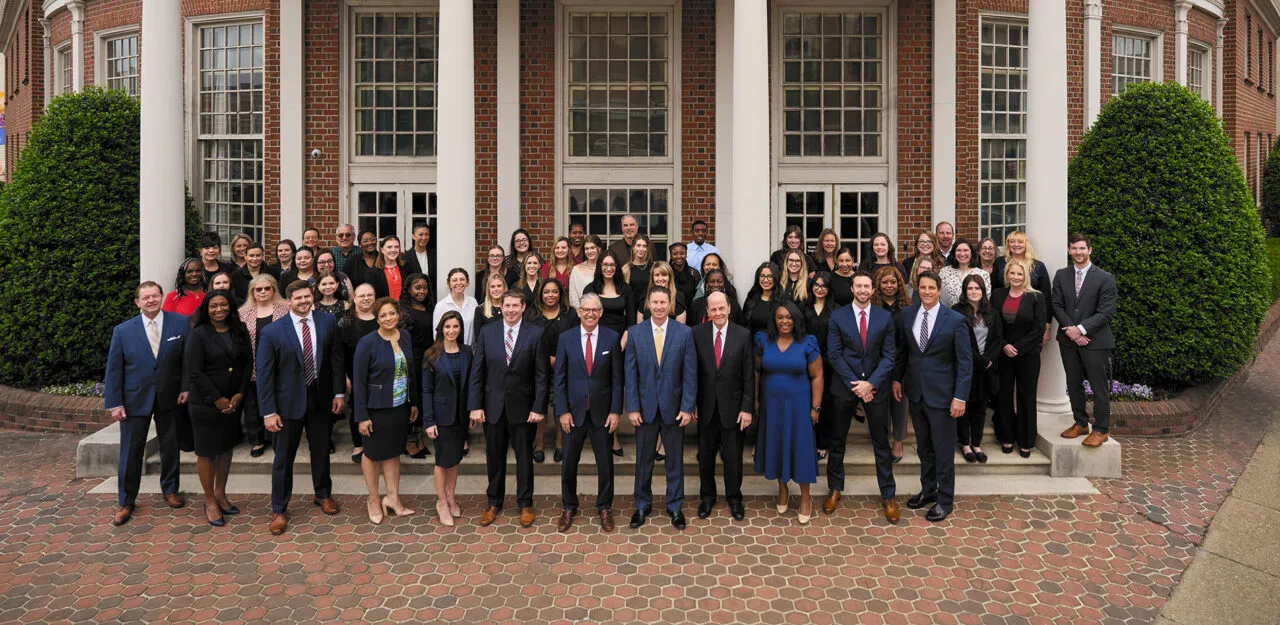
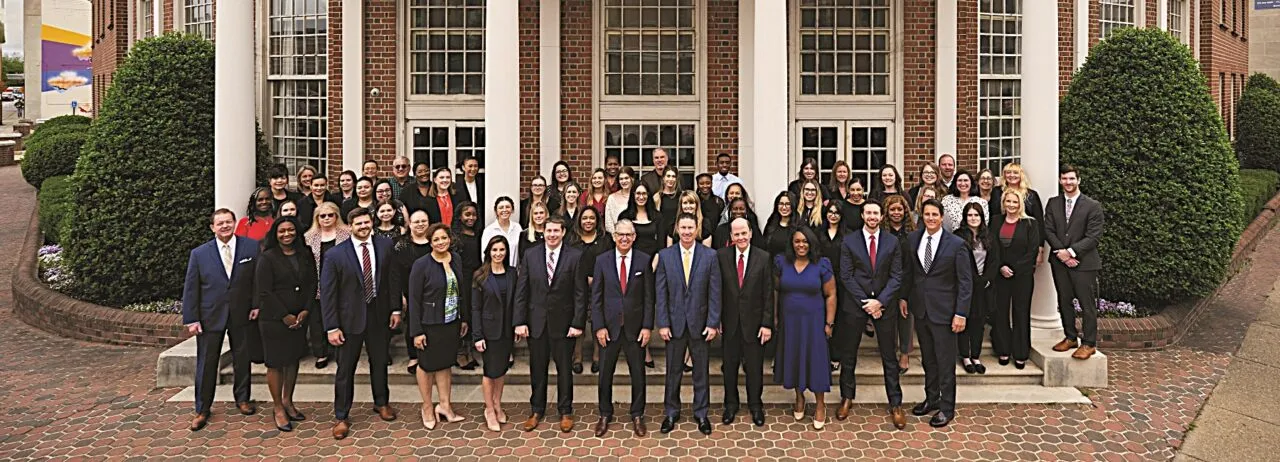
Team Members Ready to Help
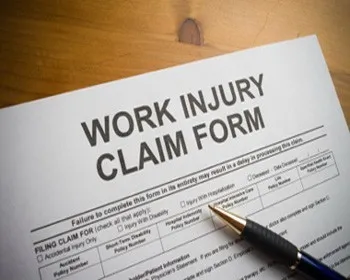
If you’ve been injured on the job, workers’ compensation insurance may entitle you to critical assistance like medical treatment, lost wages, and more. But insurance companies will put up an aggressive fight to resist paying you the compensation you need and deserve. Rutter Mills can help get you the money you deserve.
GOOGLE REVIEWS
Contact Us for a Free Case Evaluation
Our team is ready to listen day or night – 7 days a week, so contact us now to see how we can help you on the road to recovery.