




















Insurance Companies Are Paying Fewer Claims: What Virginia Drivers Need to Know
Posted on September 8, 2026

The Effects of Medical Malpractice Can Be Devastating, Physically and Emotionally.
When a doctor, nurse, hospital, or other healthcare provider fails to meet the accepted standard of care, the consequences can be devastating. Medical negligence can leave patients and their families facing serious injuries, mounting medical bills, lost income, and lasting emotional trauma.
Rutter Mills in Virginia represents individuals and families harmed by medical malpractice. Call or text us anytime for a free case evaluation: (757) 777-7777.
WHAT IS MEDICAL MALPRACTICE?
Generally speaking, medical malpractice is any instance when a healthcare provider does not meet what is considered the accepted standard of care and this negligence of care or mistake causes a patient to sustain an injury or illness. These claims can be made against doctors, hospitals, nursing home management companies, specialists, lab technicians, etc.
In Virginia, Section 8.01-581.1 defines medical malpractice as: “any tort action or breach of contract action for personal injuries or wrongful death, based on health care or professional services rendered, or which should have been rendered, by a health care provider, to a patient.”
Elements of a Malpractice Claim
When filing a lawsuit in Virginia, the burden of proving negligence occurred falls on the plaintiff. There are four key elements that must be proven to win a medical malpractice claim. A lawyer must prove the following to be successful:
Virginia follows a contributory negligence rules meaning the victim must not have contributed in any way to the harm they suffered. Lawyers for the insurance company the claim is filed against will often attempt use this to dismiss a case, claiming the injured party somehow was partially at fault.
Diagnostic errors are among the most common reasons patients pursue medical malpractice claims. When a doctor fails to recognize a medical condition, delays making the correct diagnosis, or diagnoses the wrong illness, the consequences can be severe.
Common examples of diagnostic malpractice include:
If a healthcare provider’s failure to diagnose or delayed diagnosis caused your condition to worsen, you may have grounds to pursue compensation through a medical malpractice claim.
Surgical procedures carry inherent risks, but preventable mistakes that occur before, during, or after surgery may constitute medical malpractice when they result from a healthcare provider’s failure to meet the accepted standard of care.
Common examples of surgical malpractice include:
Surgical errors can lead to serious complications, additional operations, permanent injuries, and even wrongful death.
Improper treatment can take many forms. A provider may recommend the wrong course of treatment, prescribe an inappropriate medication or dosage, fail to recognize when a patient’s condition requires more aggressive care, or delay treatment until the condition becomes more serious.
Common examples of improper treatment include:
A healthcare provider may correctly diagnose a patient’s condition but still commit medical malpractice by providing improper treatment.
Families trust nursing homes and assisted living facilities to provide safe, attentive care for their loved ones. When a facility or its staff fails to meet the accepted standard of care, vulnerable residents can suffer serious injuries, declining health, and emotional trauma.
Common examples of nursing home negligence include:
Nursing home negligence may result from understaffing, inadequate training, poor supervision, or a failure to follow established care protocols.
Medication errors can occur at any stage of a patient’s care—from prescribing and dispensing to administering and monitoring medications. When a healthcare provider’s negligence results in a preventable medication error, the injured patient may have grounds for a medical malpractice claim.
Common examples of medication errors include:
Medication errors can result in prolonged illness, organ damage, severe allergic reactions, additional medical treatment, hospitalization, permanent disability, or wrongful death.
Anesthesiologists, certified registered nurse anesthetists (CRNAs), and other healthcare providers are responsible for carefully evaluating patients, administering the appropriate medications, and monitoring vital signs throughout a procedure. When they fail to meet the accepted standard of care, patients may suffer serious injuries or death.
Common examples of anesthesia errors include:
Anesthesia errors can lead to oxygen deprivation, brain injuries, strokes, heart attacks, nerve damage, anesthesia awareness, permanent disability, or wrongful death.
Rutter Mills Virginia attorneys represent medical malpractice cases on a contingency basis. There are no upfront fees, and we only get paid when you do.
Medical malpractice occurs when a healthcare provider fails to provide the level of care that a reasonably competent provider would have provided under similar circumstances, and that failure causes a patient to suffer harm.
To have a successful medical malpractice claim, you generally must be able to show that:
Virginia follows one of the nation’s strictest contributory negligence rules. If the defense can prove that a patient contributed to their own injury, even to a small degree, the patient may be barred from recovering compensation.
Insurance companies and healthcare providers often attempt to shift responsibility to the patient by arguing they failed to follow medical advice, delayed seeking treatment, or otherwise contributed to the outcome. Our attorneys anticipate these defenses from the beginning of the case, gather evidence to counter them, and work to protect our clients’ right to recover compensation.
Medical malpractice cases require far more than proving a medical mistake occurred. They require a thorough understanding of Virginia’s laws, experienced legal advocacy, and the resources to work with qualified medical experts. Rutter Mills has the experience to navigate these complex legal requirements while fighting for the compensation our clients deserve.
Medical malpractice claims are among the most complex personal injury cases, and Virginia law includes several rules that can significantly affect your case. Missing a deadline or failing to satisfy a legal requirement can jeopardize your right to recover compensation. At Rutter Mills, we guide clients through every step of the process while ensuring these legal requirements are met.
Virginia limits the total amount of compensation available in medical malpractice cases, regardless of the number of healthcare providers involved. As of July 1, 2026, the cap is $2.75 million, and it increases periodically under Virginia law.
While the damages cap cannot be avoided, our attorneys work to maximize the compensation available by thoroughly documenting every aspect of your losses and building the strongest possible case.
Virginia’s statute of limitations generally gives injured patients two years from the date of the malpractice to file a lawsuit. However, important exceptions may apply in cases involving children, foreign objects left inside the body, or situations in which the injury could not reasonably have been discovered immediately.
Waiting too long can permanently bar your claim. Contacting an attorney as soon as possible allows critical evidence to be preserved, medical records to be obtained, and filing deadlines to be met.
Virginia law requires medical malpractice claims to be supported by a qualified medical expert who is willing to certify that the healthcare provider failed to meet the applicable standard of care and that the negligence caused the patient’s injuries.
Obtaining expert support is one of the most important—and most challenging—parts of a malpractice case. Rutter Mills works with respected physicians and medical specialists who review records, evaluate the care provided, and help establish whether malpractice occurred.
PROTECTING YOUR RIGHTS
Even the best doctors can make mistakes. Injuries from medical errors can have catastrophic consequences. The insurance company representing the defendant will make it tough to prove and win your case. They have a lot at stake, just like you do. Additionally, these cases are among the most complex and expensive to litigate, often requiring expert testimony, review boards, hospital records, detailed depositions, and more.
In this area of law—perhaps more than any other—a good attorney is critical to winning your case. Not all injury law firms have the resources or experience to successfully litigate medical malpractice cases. Strict rules about evidence, procedure, and statute of limitations are all critical to these cases.
When everything is on the line, don’t trust your future to just anyone.
Pursuing a medical malpractice claim can feel overwhelming, especially when you’re already dealing with a serious injury or the loss of a loved one. At Rutter Mills, we guide you through every stage of the legal process so you know what to expect and can focus on your recovery while we handle your case.
Your case begins with a free, no-obligation consultation. We’ll listen to your story, review the facts of your situation, answer your questions, and discuss whether you may have a medical malpractice claim under Virginia law.
Our legal team gathers your medical records, consults with qualified medical experts, interviews witnesses when appropriate, and carefully reviews the care you received. We work to identify where the standard of care may have been breached and how that failure caused your injuries.
Once we’ve gathered the necessary evidence, we develop a strategy tailored to your case. We also prepare for the legal and medical arguments the defense is likely to raise. Our goal is to present a well-supported claim backed by evidence and expert testimony.
From your first phone call through the resolution of your case, you’ll have a legal team that’s committed to keeping you informed, answering your questions, and protecting your interests. Because we handle medical malpractice cases on a contingency fee basis, you pay no upfront attorney’s fees, and you owe us nothing unless we recover compensation for you.
Call or text Rutter Mills medical malpractice lawyers: (757) 777-7777.
Not every medical error or unsuccessful treatment outcome is medical malpractice. To have a valid claim, you generally must show that a healthcare provider failed to meet the accepted standard of care and that this failure directly caused your injury. The best way to determine whether you have a case is to speak with an experienced medical malpractice attorney. During your free consultation, Rutter Mills can review the facts of your situation, answer your questions, and explain your legal options.
Yes. Depending on the circumstances, a medical malpractice claim may be brought against a hospital, surgical center, nursing home, pharmacy, or another healthcare facility, in addition to or instead of an individual healthcare provider. Liability depends on who was responsible for the negligent care and the facts of your case. Our attorneys thoroughly investigate every claim to identify all potentially liable parties.
Every case is different, but you may be able to recover compensation for medical expenses, future medical care, lost wages, diminished earning capacity, pain and suffering, emotional distress, permanent disability, and other damages related to your injury. If medical malpractice resulted in the loss of a loved one, certain surviving family members may also be entitled to pursue a wrongful death claim. Virginia law places a cap on the total damages recoverable in medical malpractice cases, but our attorneys work to maximize the compensation available under the law.
Rutter Mills handles medical malpractice cases on a contingency fee basis. That means you pay no upfront attorney’s fees, and you owe us nothing unless we recover compensation for you. Your initial consultation is free, giving you the opportunity to discuss your case and understand your legal options without financial risk.
The timeline depends on the complexity of your case, the severity of your injuries, the availability of medical records and expert opinions, and whether the case settles or proceeds to trial. Some claims resolve in a matter of months, while others may take a year or longer. Although every case is unique, our attorneys work efficiently while taking the time necessary to build the strongest possible claim on your behalf.
A Rutter Mills case is a serious case. It may mean you have been badly injured. It certainly means you have a lot on the line, and the resolution of your case will make a big difference to you, your family, and your life moving forward.
Contact us to discuss your legal options: (757) 777-7777.
Years Winning Personal Injury Cases
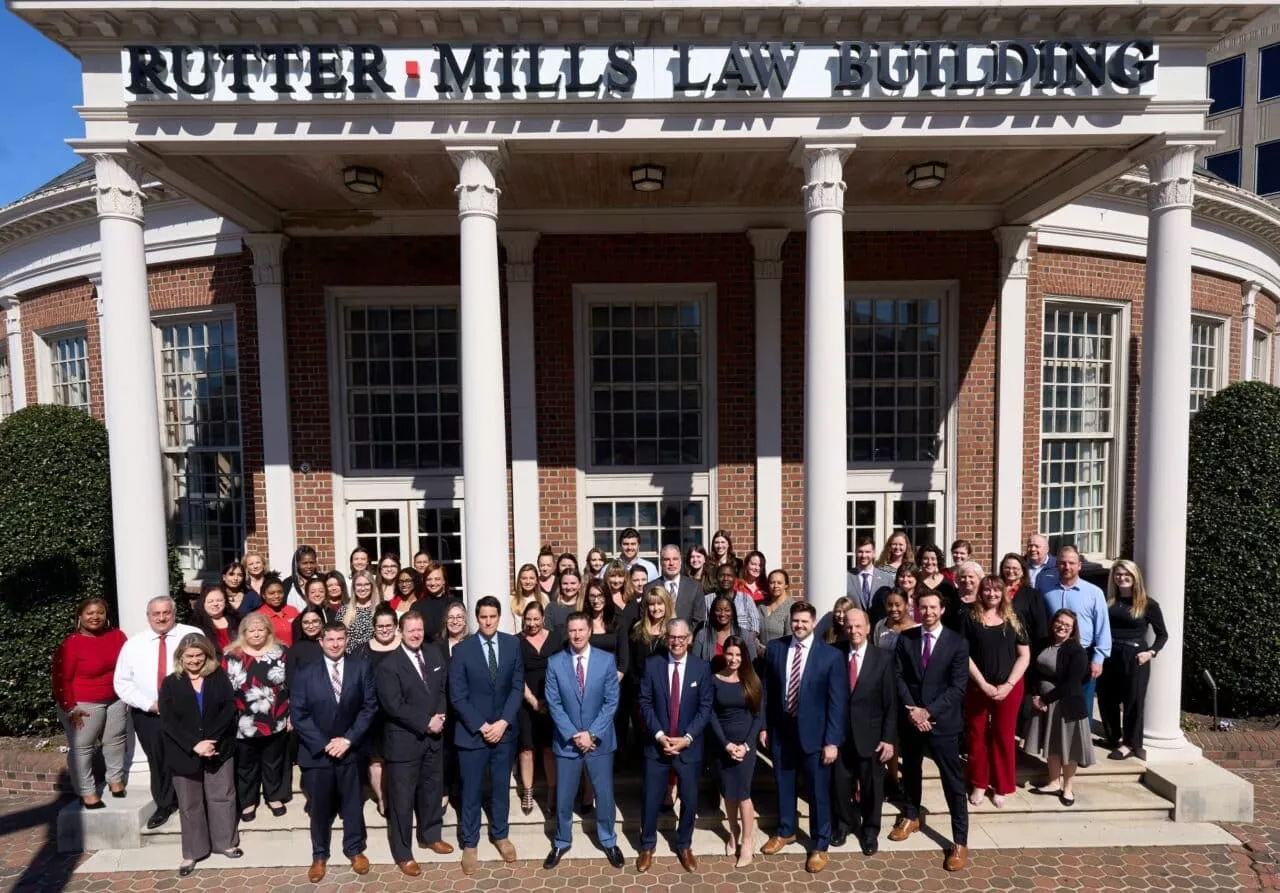
Convenient Locations
Team Members Ready To Help
If you’ve been injured on the job, workers’ compensation insurance may entitle you to critical assistance like medical treatment, lost wages, and more. But insurance companies will put up an aggressive fight to resist paying you the compensation you need and deserve. Rutter Mills can help get you the money you deserve.
GOOGLE REVIEWS
Contact Us for a Free Case Evaluation
Our team is ready to listen day or night – 7 days a week, so contact us now to see how we can help you on the road to recovery.